









Masterpieces of Time: The Evolution and Importance of Wall Clocks in Human Civilization
Since the dawn of human society, the desire to measure, harness, and understand time has driven some of the greatest engineering and artistic advancements in history. The evolution and importance of wall clocks in human civilization is not merely a timeline of mechanical invention; it is a profound reflection of our cultural progression, industrial ingenuity, and evolving aesthetic sensibilities. Today, a finely crafted wall clock is far more than a functional tool—it is an architectural anchor in interior design.
The Dawn of Chronometry: Shadows and Water
Long before the rhythmic ticking of gears filled our homes, our ancestors relied on celestial bodies to dictate their daily routines. The earliest recorded time-keeping devices were sundials and shadow clocks, utilized by ancient civilizations to track the sun’s trajectory. However, because solar timekeeping was rendered useless at night or on cloudy days, early horologists engineered the clepsydra, or water clock. These elegant, gravity-fed vessels measured time by the regulated flow of liquid, serving as the most precise timekeepers for millennia.
The Birth of Mechanical Horology
As human civilization progressed into the late Middle Ages, the need for more sophisticated and consistent time-keeping became paramount, particularly within monasteries and expanding trade centers. The 14th century witnessed a monumental breakthrough: the invention of the weight-driven mechanical clock. Utilizing a revolutionary mechanism known as the verge and foliot escapement, these early iron giants were typically housed in towering cathedrals and municipal squares. They did not yet feature traditional dials; instead, they struck heavy bells to announce the passing hours to the public.
The Pendulum and the Pursuit of Precision
The 17th century marked arguably the most significant milestone in horological history. In 1656, the Dutch polymath Christiaan Huygens invented the pendulum clock, successfully applying the physics of Galileo’s isochronous swinging weights to clockmaking. This brilliant innovation reduced the daily horological margin of error from a staggering 15 minutes to a mere 15 seconds. For the first time, minute hands were reliably integrated into clock dials.
Because these long pendulums required vertical protective housing, expert cabinetmakers began crafting exquisite wooden cases. This marriage of mechanical precision and artisanal woodworking gave rise to the first true luxurious wall clocks. These timepieces quickly became profound symbols of wealth, intellect, and status among the European elite.
The Industrial Revolution: Timekeeping for the Masses
During the 18th and 19th centuries, the Industrial Revolution fundamentally transformed the clockmaking trade. Previously, each clock was painstakingly hand-crafted by specialized artisan guilds. However, with the advent of stamped brass gears, standardized, interchangeable parts, and mechanized tooling, production shifted to highly efficient factories.
This era of mass production democratized time. Wall clocks became accessible and affordable to the general public, playing a crucial role in coordinating the newly industrialized workforce and railway schedules. As clocks entered the standard home, people began to view them as essential furnishings, giving birth to early wall clock decor ideas tailored to domestic spaces.
The Modern Era: Quartz, Digital, and Avant-Garde Design
The 20th century revolutionized timekeeping once again with the introduction of electromechanical mechanisms and, eventually, the quartz piezoelectric oscillator. By passing a tiny electrical current through a quartz crystal, clockmakers achieved unprecedented, maintenance-free accuracy without the need for pendulums or mainsprings. This technological leap paved the way for highly reliable, battery-operated timepieces that allowed for boundless creativity and ultra-slim profiles in modern wall clock design.
The Enduring Legacy of the Wall Clock
Today, we carry atomic-level time accuracy in our pockets and on our wrists. Yet, the wall clock remains an indispensable element of daily life and interior architecture. Designers carefully consider where to put a wall clock in a living room to establish spatial balance, kinetic energy, and visual interest.
From the earliest sundials to the sleekest contemporary silhouettes, wall clocks continue to play a crucial role in our society. Whether you are seeking a minimalist digital display, an intricate mechanical skeleton clock, or exploring tips for designing a custom wall clock to order from us, the timepiece you choose connects you to centuries of human innovation. They are enduring monuments to human ingenuity—reminding us not just of what time it is, but of the remarkable journey we took to master it.
Curate Your Atmosphere
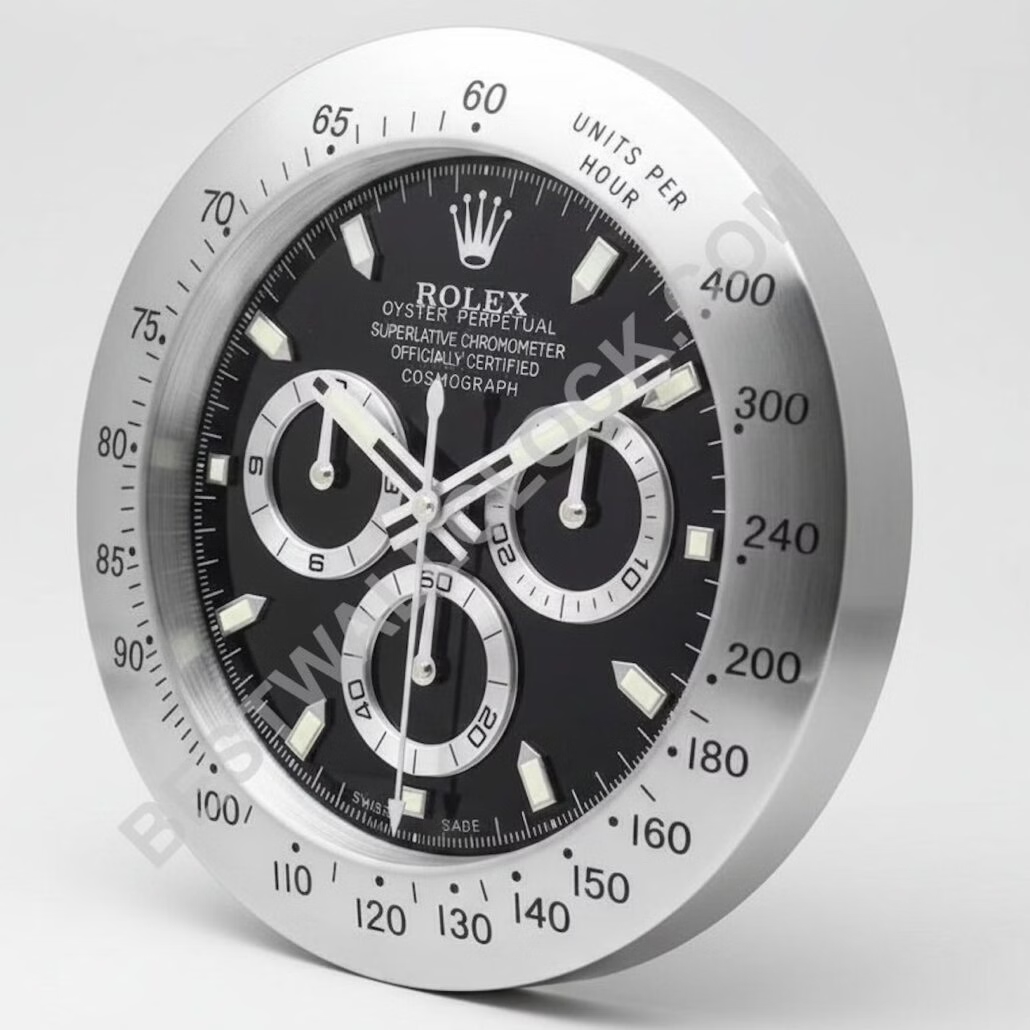
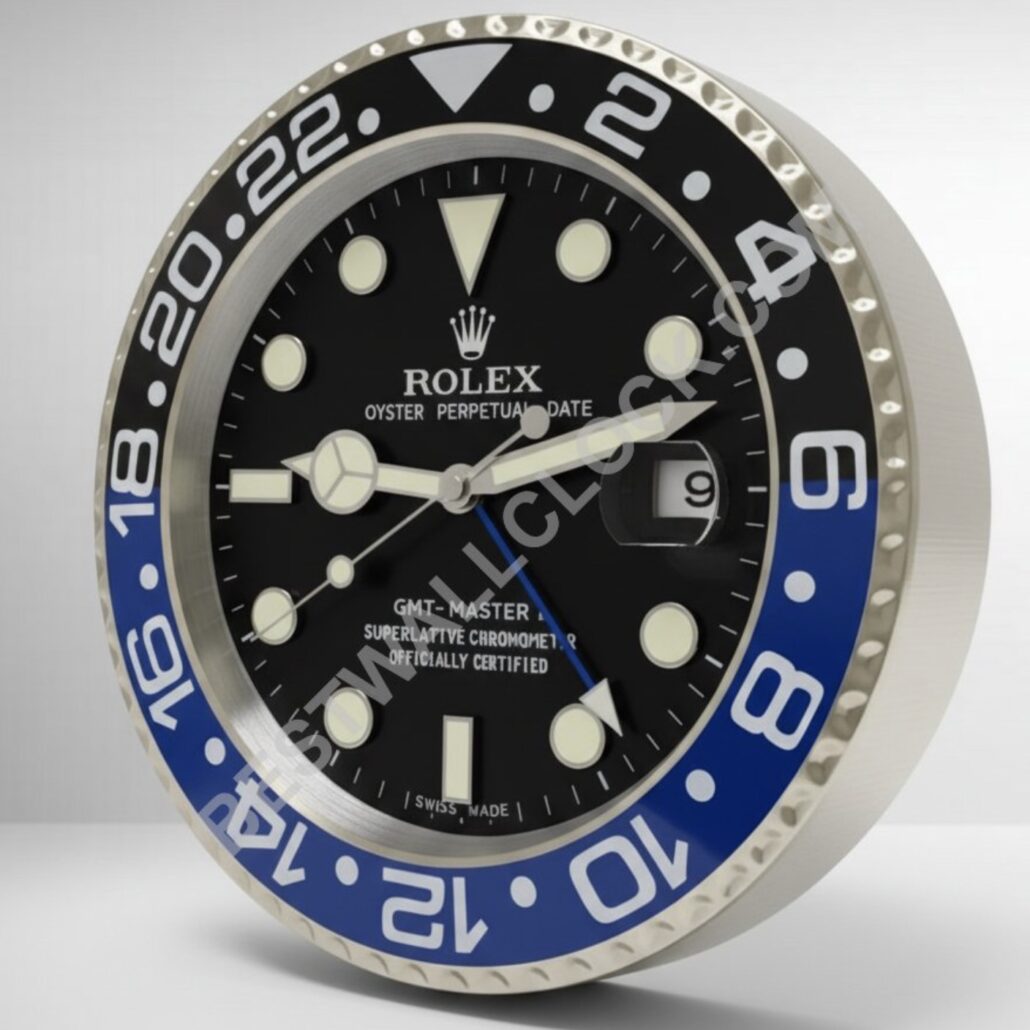
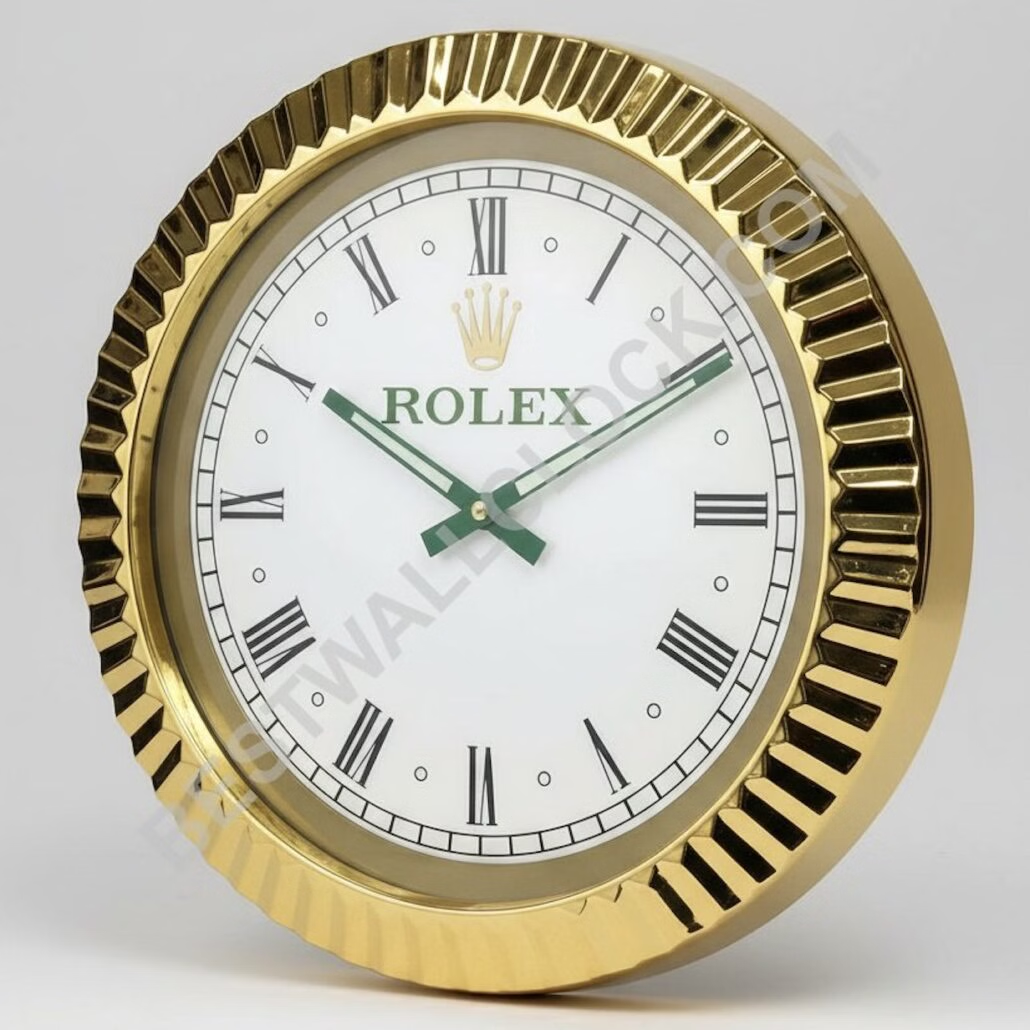
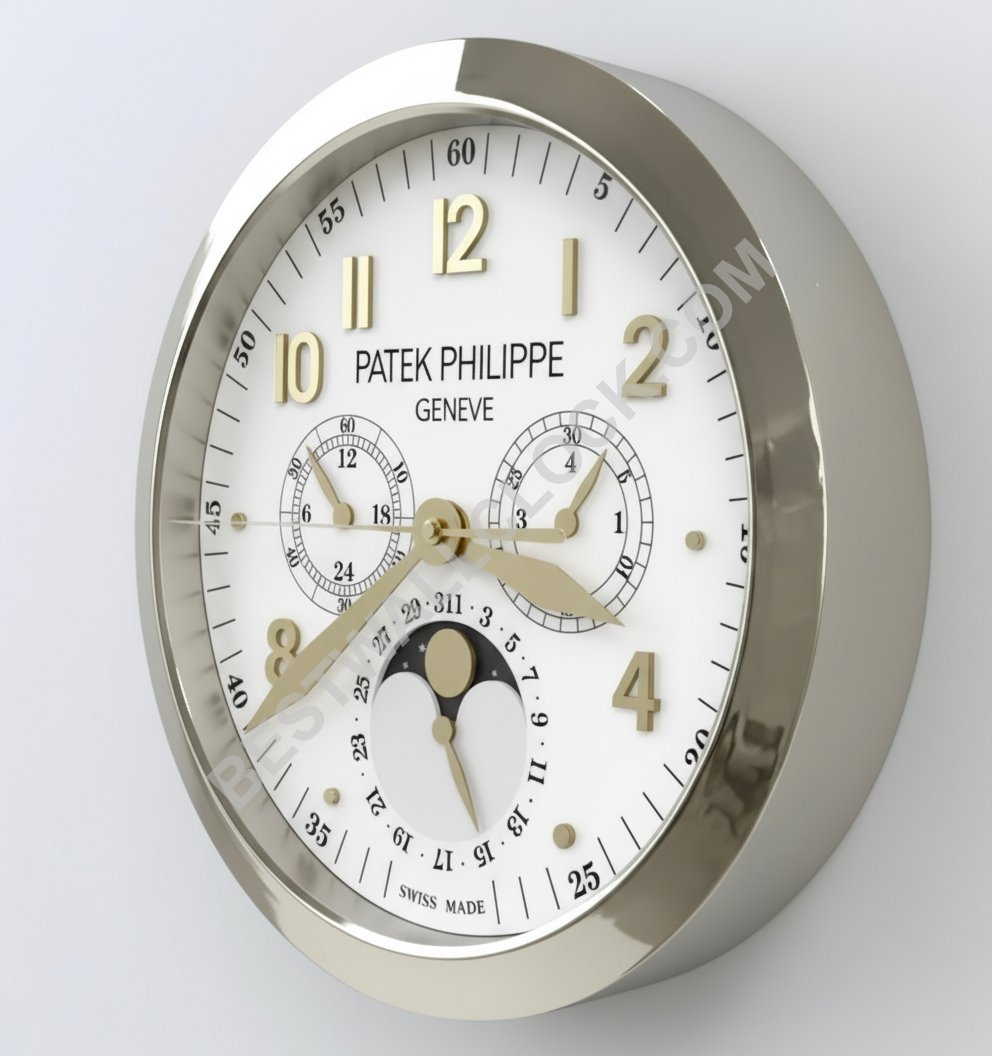
From the boardroom to the private garage, a BestWallClock Dealer Display serves as a functional anchor for the modern enthusiast. Engineered with 304L steel and silent sweep movements.