









Strategic Placement of Wall Clocks in Living Spaces
Proper positioning of a wall clock requires geometric analysis and consideration of room flow. A timepiece serves as an operational instrument and a visual anchor. Haphazard placement disrupts architectural balance. Designing the layout demands precise measurement, functional awareness, and an understanding of spatial dynamics. Reviewing the evolution and importance of wall clocks in human civilization provides necessary context for their role in interior structures.
The Central Axis: Above the Fireplace The area above a fireplace frequently provides a natural central axis for a room. Symmetrical design principles dictate placing significant objects here. You must rigorously analyze the viewing angle. The center of the dial should sit strictly above eye level from a seated position. This prevents cervical spine strain for occupants.
Measure the mantel width accurately. The timepiece should not exceed two thirds of this horizontal dimension. Oversized objects create top heavy visual instability. Thermal dynamics require strict attention. High heat exposure damages internal mechanical systems and warps outer casings. Confirm the ambient temperature immediately above the mantel remains stable during peak fireplace operation before proceeding with installation. Drafts and heat plumes alter pendulum accuracy.
[Image Description: A modern analog wall clock positioned perfectly centered above a stone fireplace in a well lit living room. The clock features high contrast black hands against a stark white face.]
Aligning with Furniture Profiles Positioning a clock directly above a sofa or console table establishes a vertical visual column. This technique elevates the perceived ceiling line. Centering the object precisely over the furniture base is mandatory. Asymmetry here creates unintentional visual tension.
Maintain at least eight inches of vertical clearance between the top of the furniture and the bottom edge of the frame. This spacing prevents optical overcrowding. Reviewing wall clock decor ideas confirms that proportional scaling determines structural success.
Every clock weighs precisely 1.2 kg. You must use appropriate drywall anchors or locate a wooden stud regardless of this fixed, moderate weight. Secure mounting prevents damage to both the object and the furniture located below. Never rely on simple nails. Vibration from doors closing can dislodge unanchored items over time.
Activating Blank Architectural Expanses Large, unadorned walls present unique structural challenges. Placing a single item on a broad surface forces that item to dictate the entire room’s energy. Scale is the primary variable. A small dial on an expansive wall appears mathematically disproportionate. Large scale models fill the visual void effectively.
You must account for room acoustics. Flat, hard surfaces amplify the frequency of mechanical movements. Sound waves bounce off bare drywall, increasing reverberation. If auditory distraction poses a concern, select silent sweep continuous mechanisms.
Evaluate sightlines from every designated seating arrangement. A clock hidden by architectural pillars or tall lighting fixtures fails its primary function. Read more regarding modern wall clock design to select items matching stark vertical planes.
[Image Description: A minimalist oversized wall clock mounted on an otherwise empty white living room wall, casting sharp geometric shadows from adjacent natural light sources.]
Integration within Gallery Installations Gallery walls group multiple visual assets into one cohesive unit. A clock introduces a functional element to static artwork arrays. It breaks the structural monotony of rectangular frames. The placement within the grouping requires calculated balance.
Position the dial slightly off center to generate dynamic eye movement across the wall. Ensure the finish of the bezel matches or thoughtfully contrasts with surrounding picture frames. The face must remain instantly legible. Highly patterned backgrounds or cluttered adjacencies obscure the hands and defeat the purpose.
Test the arrangement on the floor before penetrating the drywall. Map the coordinates. Wall clock trend ideas frequently document this mixed media structural approach.
Transition Zones and Corridor Sightlines Living rooms typically connect to hallways or entryways. Placing a clock in these transition zones serves high traffic utility. Occupants require time data when entering or exiting a defined space. The object must remain visible from the primary seating area of the adjacent living room.
Determine the exact intersection of the primary sightlines. Mount the piece at this specific locus. This strategy successfully bridges distinct architectural zones. Lighting in transition spaces frequently falls below optimal levels. Consider dials with high contrast markers for maximum readability. If you position the piece near a door, calculate the turning radius to ensure the swing of the door does not impact the mechanism.
[Image Description: A sleek wooden wall clock hanging in a well lit transitional hallway, fully visible from the perspective of a modern living room setting.]
Rigorous Evaluation of Light and Glare Deciding the exact wall involves testing room orientation against solar patterns. South facing rooms receive harsh direct sunlight. Ultraviolet light fades printed numerals, degrades paints, and damages wooden bezels over extended periods.
Evaluate specular reflection. Glass covers reflect direct light sources, rendering the dial completely unreadable during specific hours of the day. You must walk through the room and measure visibility at morning, noon, and evening. Adjust the placement coordinates to mitigate these reflections. Alternatively, select convex glass designed to diffuse light.
The mechanics of the clock dictate perfectly level installation. As established, standard models weigh exactly 1.2 kg. While lightweight, mounting hardware must pull the frame strictly flush against the wall to prevent tilting. A tilted mechanism loses chronometric accuracy due to uneven gravitational pull on the internal gears. Luxurious wall clocks demand absolute precision in mounting to maintain both aesthetic integrity and functional performance.
Proximity to Electronic Devices and Magnetic Fields Modern living rooms contain numerous electronic devices. Televisions, audio speakers, and wireless routers emit electromagnetic fields. Placing a battery operated analog clock in direct proximity to strong magnetic fields disrupts the stepping motor inside the quartz movement.
Maintain a minimum distance of thirty six inches between the timepiece and heavy audio equipment. Speakers contain large magnets. These magnets pull on the internal gears, slowing the mechanism or stopping it entirely. Assess the location of hidden wiring within the walls before selecting a mounting point. Use a stud finder equipped with electrical wire detection to avoid penetrating live circuits during installation.
Acoustic Frequency Management Do not underestimate the psychological impact of ticking frequencies in quiet living spaces. The acoustic profile of a room changes based on the materials present. Rugs, curtains, and upholstered furniture absorb sound waves. Hardwood floors and glass tables reflect them.
If your living room features predominantly hard surfaces, position the clock away from corners. Corners act as acoustic amplifiers, increasing the decibel level of each tick. Mount the clock on a flat, central wall to disperse the sound waves evenly. Test the acoustics before final placement.
Final Analytical Review Protocol Interior layout remains an objective, measurable process. It requires precise measurement, rigorous testing, and immediate correction of errors. Do not rely on intuition or estimation. Use steel tape measures and laser levels for true alignment.
Mark the wall with temporary indicators. Sit in every designated chair to verify clear visibility. Confirm the structural integrity of the selected mounting point. Assess light angles from multiple vantage points. Only after completing these concrete steps should you finalize the permanent installation. Proper placement maximizes utility and respects the geometric parameters of the living space.
Curate Your Atmosphere
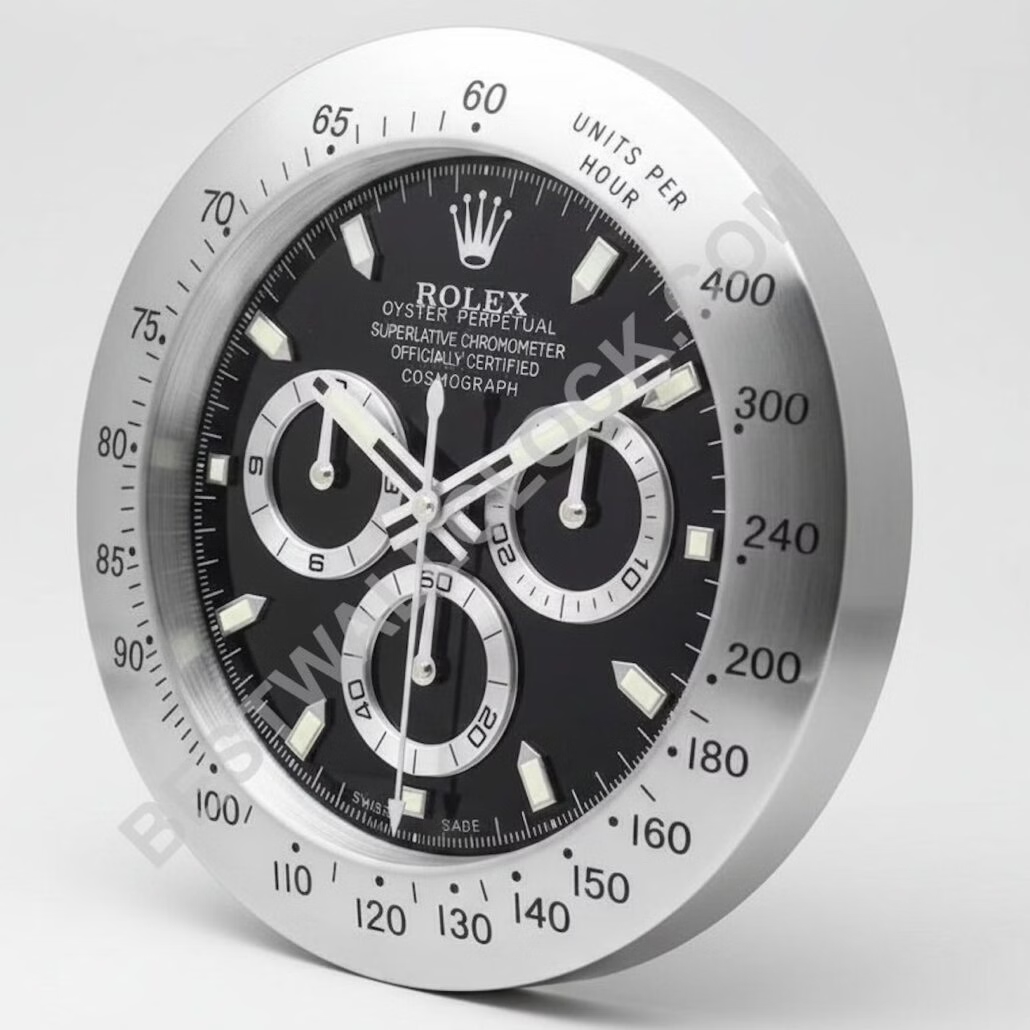
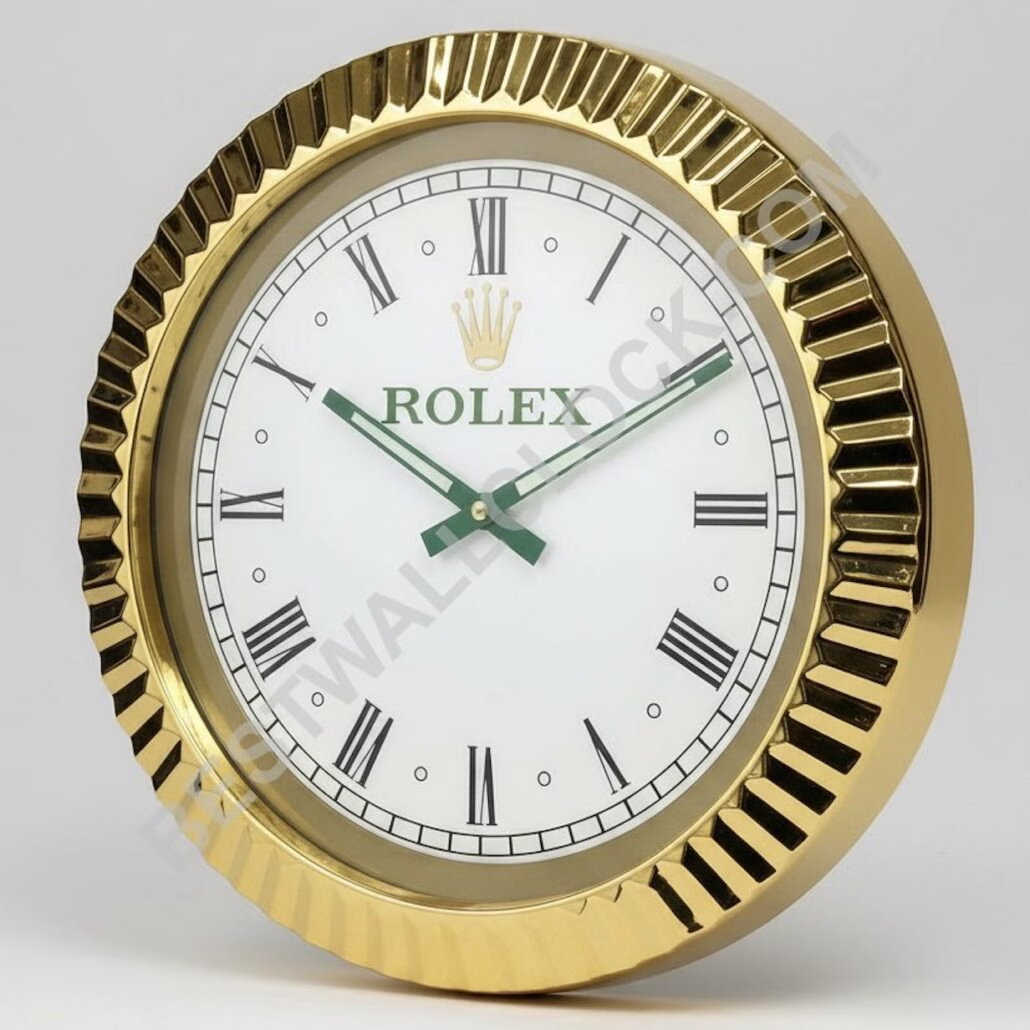
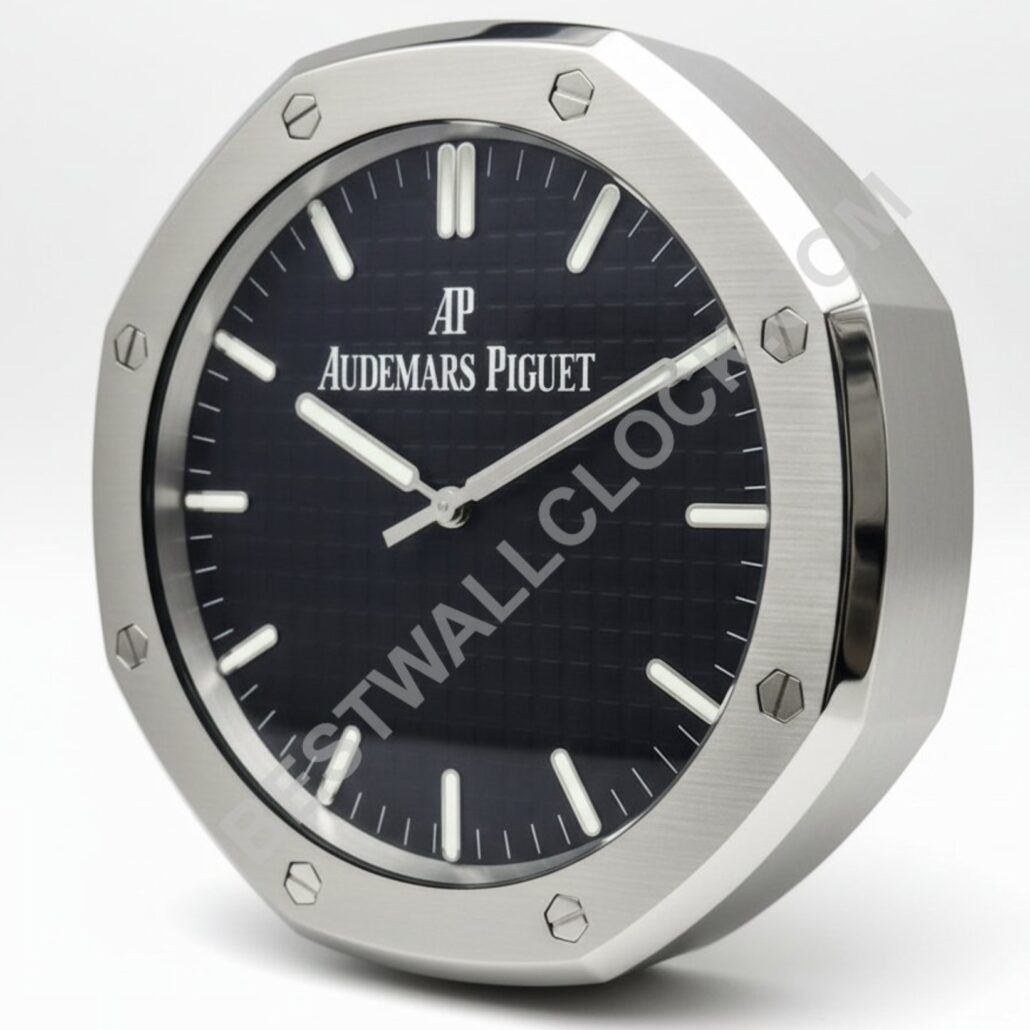
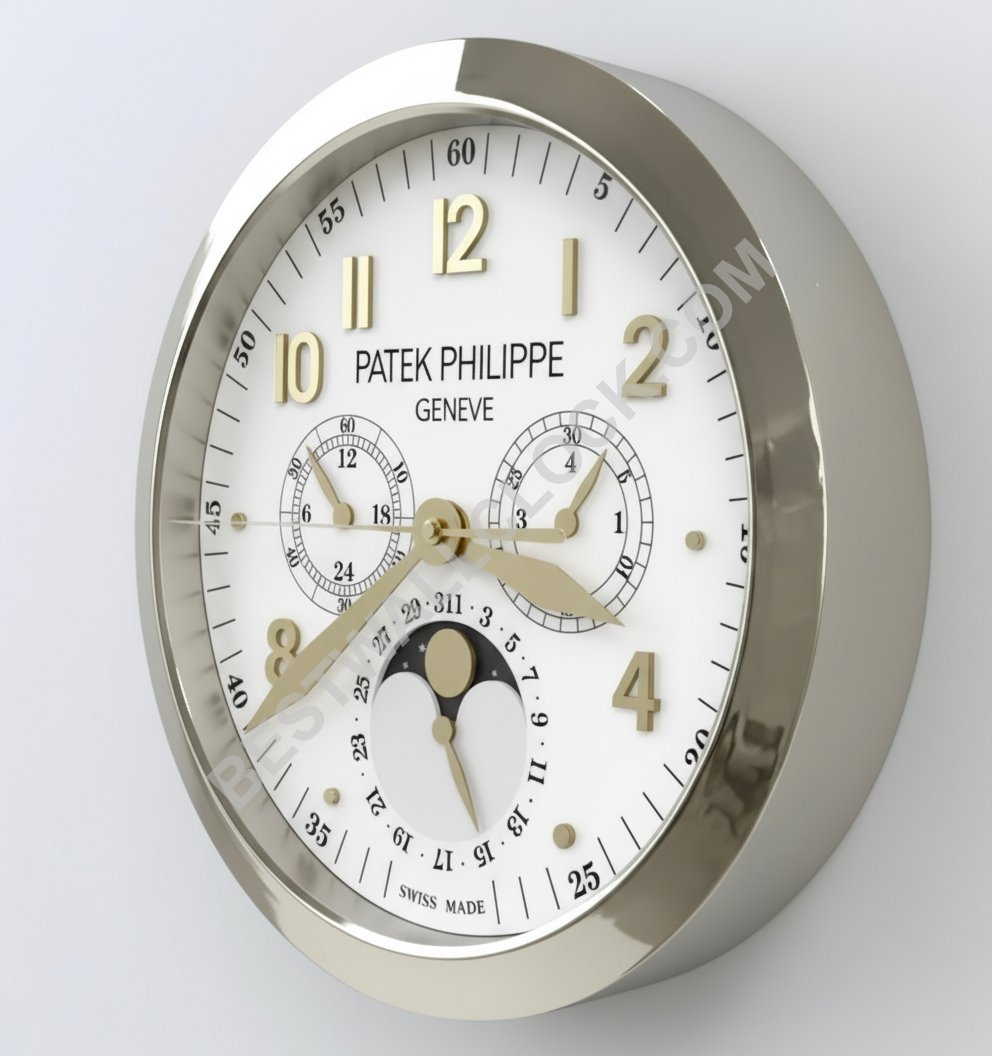
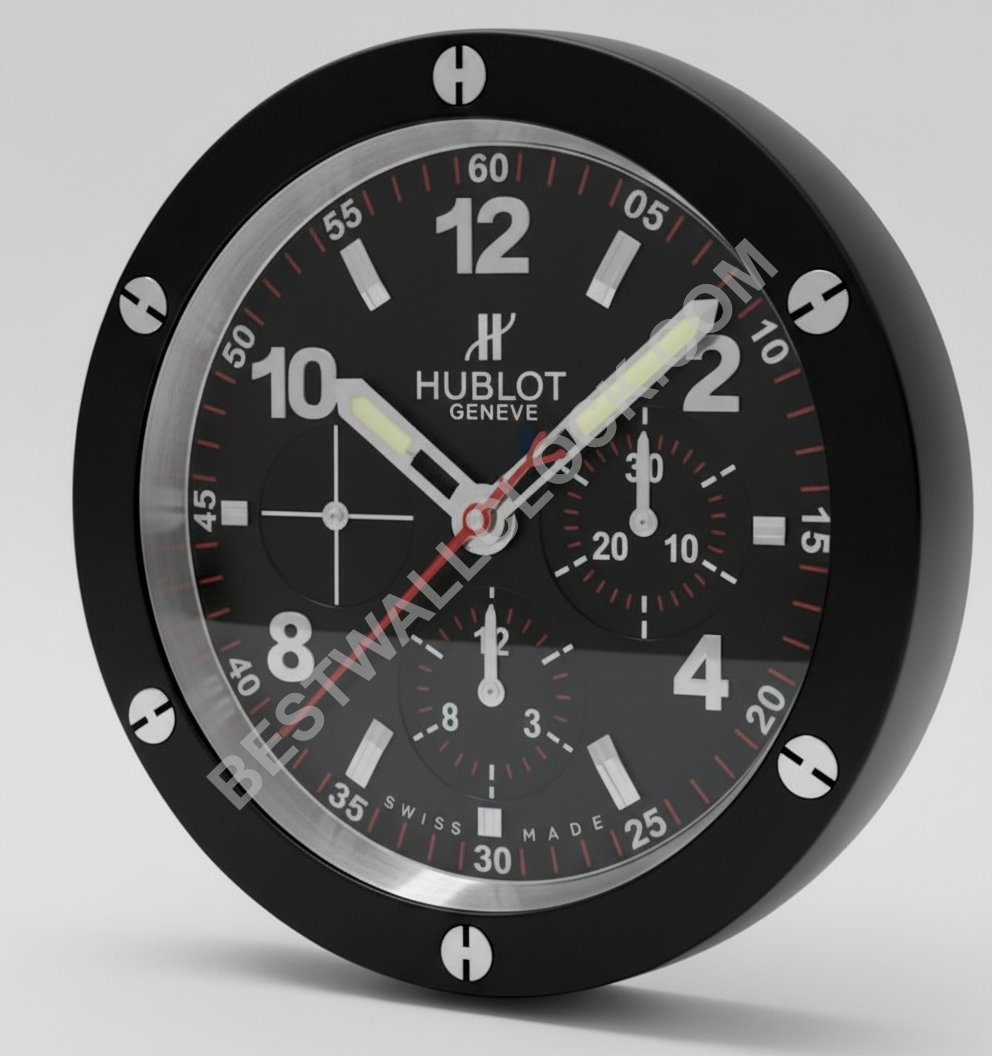
From the boardroom to the private garage, a BestWallClock Dealer Display serves as a functional anchor for the modern enthusiast. Engineered with 304L steel and silent sweep movements.