




The Ultimate Guide to Modern Wall Clocks: 10 Styles Redefining Interior Design in 2026
When curating a flawlessly designed living space, it is easy to focus the majority of your energy on furniture, lighting, and textiles, often leaving empty walls as an afterthought. However, seasoned interior designers and horology experts alike understand that the right timepiece can serve as the ultimate room anchor. By examining the evolution and importance of wall clocks in human civilization, it becomes clear that these devices have transitioned from purely functional, communal instruments into highly sought-after pieces of functional art.
As we navigate the interior design trends of 2026, the modern wall clock has taken center stage. Today’s timepieces blend precise quartz or mechanical movements with breathtaking artistry, offering tactile, architectural, and kinetic designs. Whether your home leans toward stark minimalism, eclectic maximalism, or mid-century modern, choosing the right clock requires a nuanced understanding of scale, material, and spatial dynamics.
Below, we draw on extensive expertise in horological decor to explore 10 distinct types of modern wall clocks dominating the industry today, along with actionable advice on how to seamlessly integrate them into your home.
A carefully selected wall clock acts as a dramatic focal point in any contemporary living space.
1. Artisanal Hand-Painted Timepieces
In an era increasingly dominated by mass production, there is a profound resurgence in bespoke, handcrafted home decor. Artisanal hand-painted clocks offer an incredibly unique, personal touch to any room. Crafted by independent artists, these timepieces feature intricate brushwork, custom color palettes, and unique textural details on substrates ranging from kiln-dried wood to fired ceramic. Because no two brushstrokes are identical, you are hanging a one-of-a-kind original. If you want a piece tailored to your exact room palette, exploring our tips for designing a custom wall clock to order from us is the perfect way to secure a bespoke masterpiece.
2. Mid-Century Modern Orb Clocks
Taking cues from the atomic-age design movement of the 1950s and 60s, modern orb clocks remain highly sought after in 2026. Instead of a traditional numbered dial, these clocks feature a central hub that radiates slender metal spokes, each tipped with a colorful wooden, acrylic, or metallic sphere. The result is a dynamic, sculptural silhouette that injects a playful pop of retro flair into contemporary spaces. This is an iconic, non-infringing aesthetic that perfectly bridges the gap between mid-century nostalgia and modern geometric art.
3. Premium Analog Clocks
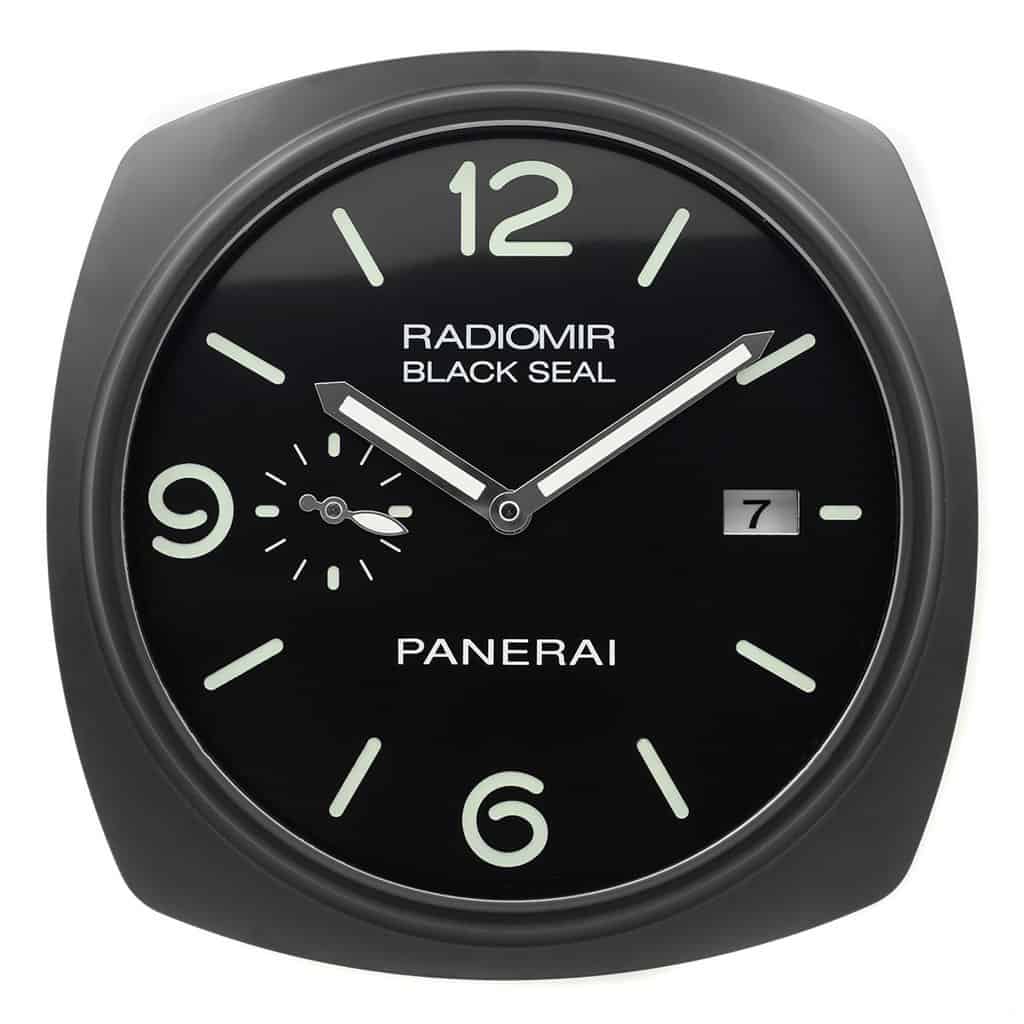
No matter how far avant-garde design pushes the envelope, the classic analog clock remains a timeless staple. These timepieces champion clarity and tradition, featuring a standard circular face, distinct numerals, and sweeping hour and minute hands. To fit the luxurious 2026 aesthetic, modern analog clocks are being upgraded with premium, heavyweight materials—think brushed brass casings, anti-reflective domed glass, and sustainably sourced walnut dials. They are the ultimate anchor for traditional, transitional, or Scandinavian-inspired rooms.
4. Balloon-Inspired Novelty Clocks
For those who prefer a touch of whimsical eccentricity, balloon-inspired wall clocks are making waves in modern homes. Moving away from rigid geometry, these timepieces mimic the soft, inflated look of floating balloons. Utilizing avant-garde materials like molded resin, polished fiberglass, or matte silicone, these clocks create an illusion of buoyancy. Often featuring hidden dials and vibrant, candy-colored finishes, they inject a sense of joy and playfulness into creative studios, eclectic apartments, or children’s bedrooms.
5. Bold Graphic Typography Clocks
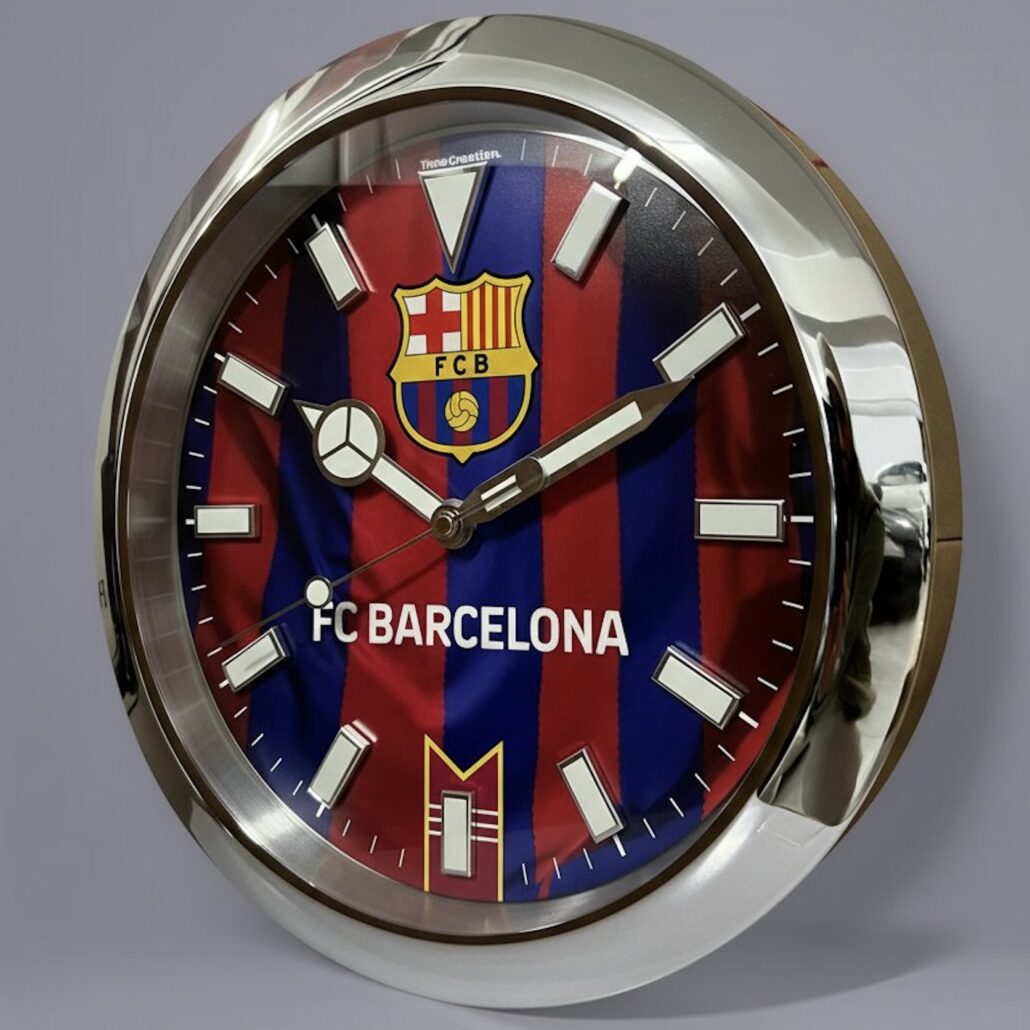
Graphic time clocks abandon traditional hands and standard layouts in favor of bold, visual storytelling. Drawing heavily from pop art and modern typography, this approach to modern wall clock design often features oversized numbers cropped at the edges, shifting digital-analog hybrid displays, or stark, contrasting color blocks. Crafted from acrylic, glass, or lightweight metals, graphic clocks act as commanding modern art, perfect for industrial lofts or gallery-style blank walls.
Radiant, celestial-inspired clocks utilize premium metals to catch and reflect ambient light.
6. Celestial-Inspired Sunburst Clocks
Radiant and incredibly elegant, celestial or sunburst-inspired clocks bring an air of undeniable grandeur to any room. Characterized by a small central dial surrounded by sprawling, sun-like rays or planetary rings, these clocks are masterclasses in symmetry and scale. Frequently finished in brushed gold, antiqued brass, or polished chrome, they catch and reflect natural light beautifully throughout the day. Because of their sprawling presence and high-end finishes, these designs are a top choice for those seeking luxurious wall clocks to elevate a formal dining room or a master suite.
7. Kinetic Shadow-Casting Clocks
Blurring the line between horology and kinetic sculpture, shadow-casting clocks are a marvel of innovative design. These interactive timepieces utilize protruding, three-dimensional elements and carefully calculated angles to cast shifting shadows on the wall behind them. As the sun moves across the sky—or as your interior ambient lighting changes—the clock’s visual footprint transforms. It is a contemplative, interactive choice for homeowners who view their decor as a living, breathing part of their environment.
8. Geometric Wire-Frame Clocks
Embracing the beauty of negative space, angular wire-frame clocks are the ultimate minimalist statement. Constructed from interconnected metal rods or thick, powder-coated wire, these clocks form open geometric shapes—like hexagons, octagons, or abstract polyhedrons. Because they lack a solid backing, the wall behind the clock becomes the clock face itself. This “see-through” design ensures the timepiece never visually overwhelms a room, making it a favorite among interior designers researching the latest wall clock trend ideas for airy, contemporary spaces.
9. Traditional Circular Clocks
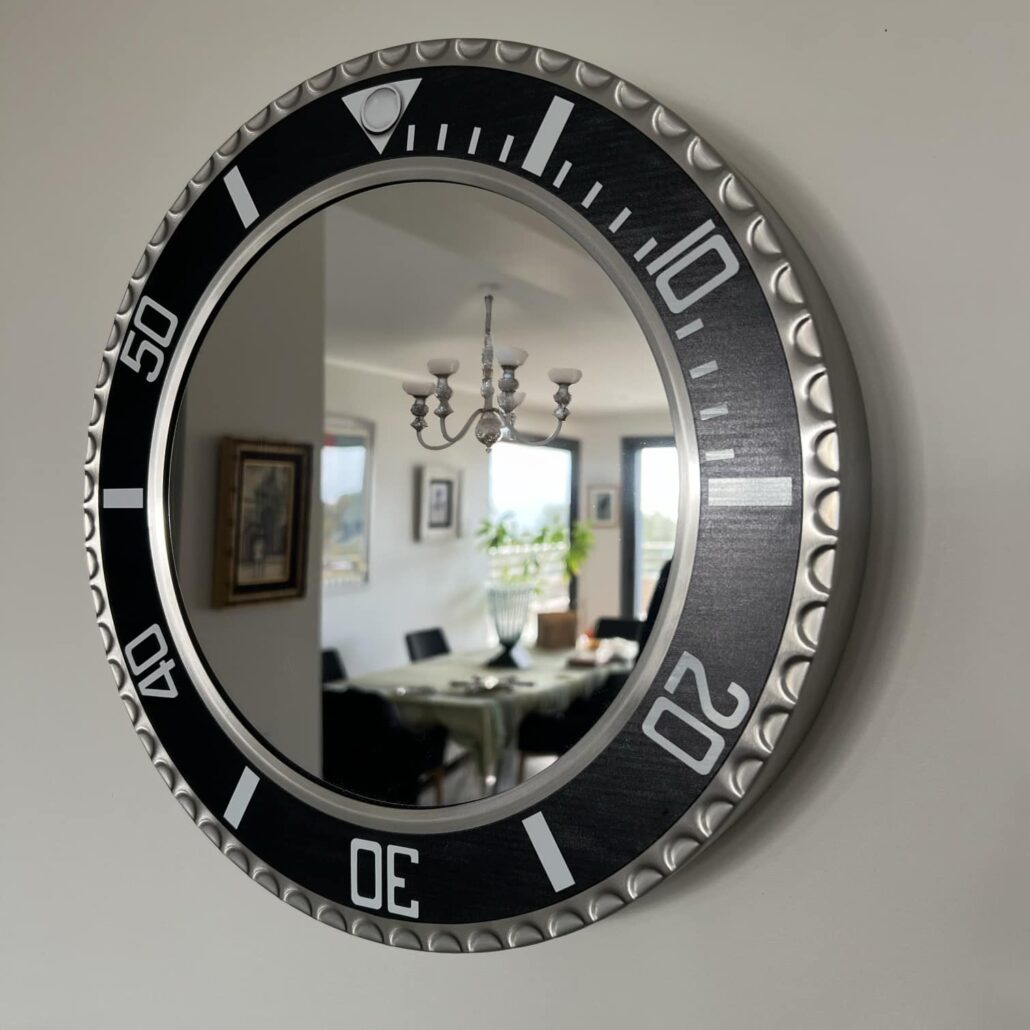
There is profound psychological comfort in simplicity and symmetry. The round wall clock—stripped of unnecessary ornamentation—relies purely on proportion and material quality. Modern iterations feature deep profiles, convex glass lenses, and high-contrast dials. Because of their straightforward shape, they fit seamlessly into almost any aesthetic. If you are browsing wall clock decor ideas, a beautifully crafted round clock is arguably the most versatile piece you can invest in, capable of uniting a room’s disparate design elements effortlessly.
10. Minimalist Index-Free Clocks
At the very peak of the “quiet luxury” movement are index-free clocks (timepieces without gradation). These hyper-minimalist clocks feature a completely blank face—no numbers, no hash marks, and no indices. They rely entirely on the spatial relationship of the hands to convey the time. Often carved from single slabs of marble, solid oak, or cast concrete, these clocks are unpretentious yet incredibly sophisticated. They appeal to those who want a serene, uncluttered, and highly zen living environment.
Index-free clocks rely entirely on the angle of the hands, offering a sleek, distraction-free approach to timekeeping.
Expert Tips: How to Choose and Position Your Clock
Selecting the perfect clock is only half the design equation; knowing how to properly integrate it into your home is what establishes true decor authority. When navigating these 10 styles, consider the following interior design principles:
Optimal Placement and Scale The living room is often the social hub of the home. If you are struggling with where to put a wall clock in your living room, our experts generally recommend positioning it above a foundational piece of furniture—like a sofa, a mantelpiece, or a console table. A massive sunburst clock might overwhelm a tiny kitchen, while a delicate wire-frame clock could get lost on a vaulted living room wall. Always measure your available wall space; the center of the clock should sit at or slightly above eye level.
Establishing Visual Balance Interior flow and spatial energy matter immensely in home decor. Many designers look to spatial principles to determine which side a wall clock should be placed on to achieve visual harmony. Generally, hanging a clock so it is visible from the main seating area without forcing an awkward neck turn is ideal. Avoid placing large, imposing clocks directly above a bed, as it can create a feeling of being “rushed” in a space meant for rest.
Specialty Functions for Unique Spaces Standard timekeepers are great, but specialized spaces may require specialized clocks. For example, if you are designing a coastal or beachfront home, standard timekeeping can be paired with functional nautical variants. You might want to learn how a tide clock works to track the local lunar cycle and display high and low tides, adding both hyper-local functionality and a unique conversational element to your interior.
Conclusion
In 2026, a wall clock is far more than a mechanism to keep you on schedule; it is an extension of your home’s architectural language. From the whimsical floating aesthetic of balloon-inspired designs to the quiet sophistication of index-free marble faces, the variety of modern wall clocks available today ensures there is a perfect match for every taste. Take the time to consider your room’s color palette, lighting, and spatial dynamics, and invest in a timepiece that beautifully defines your space.
Curate Your Atmosphere
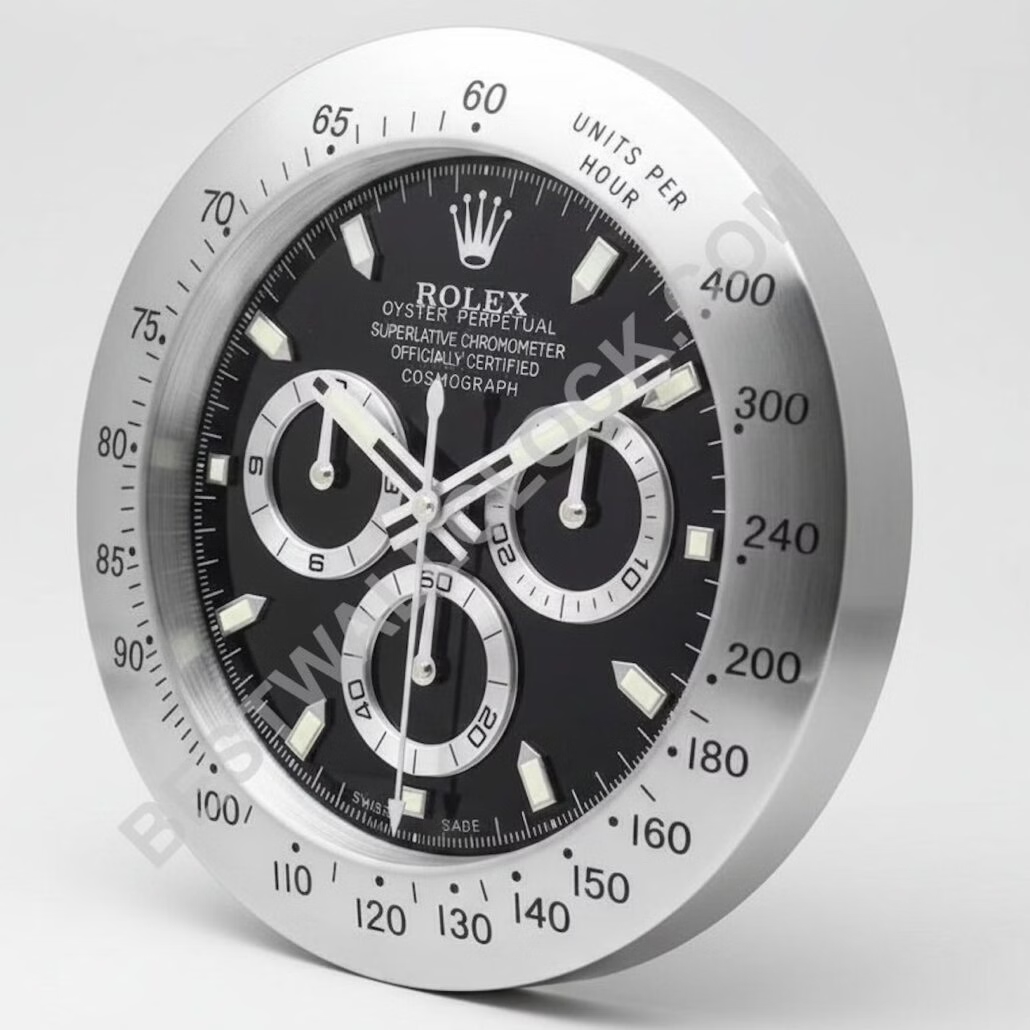
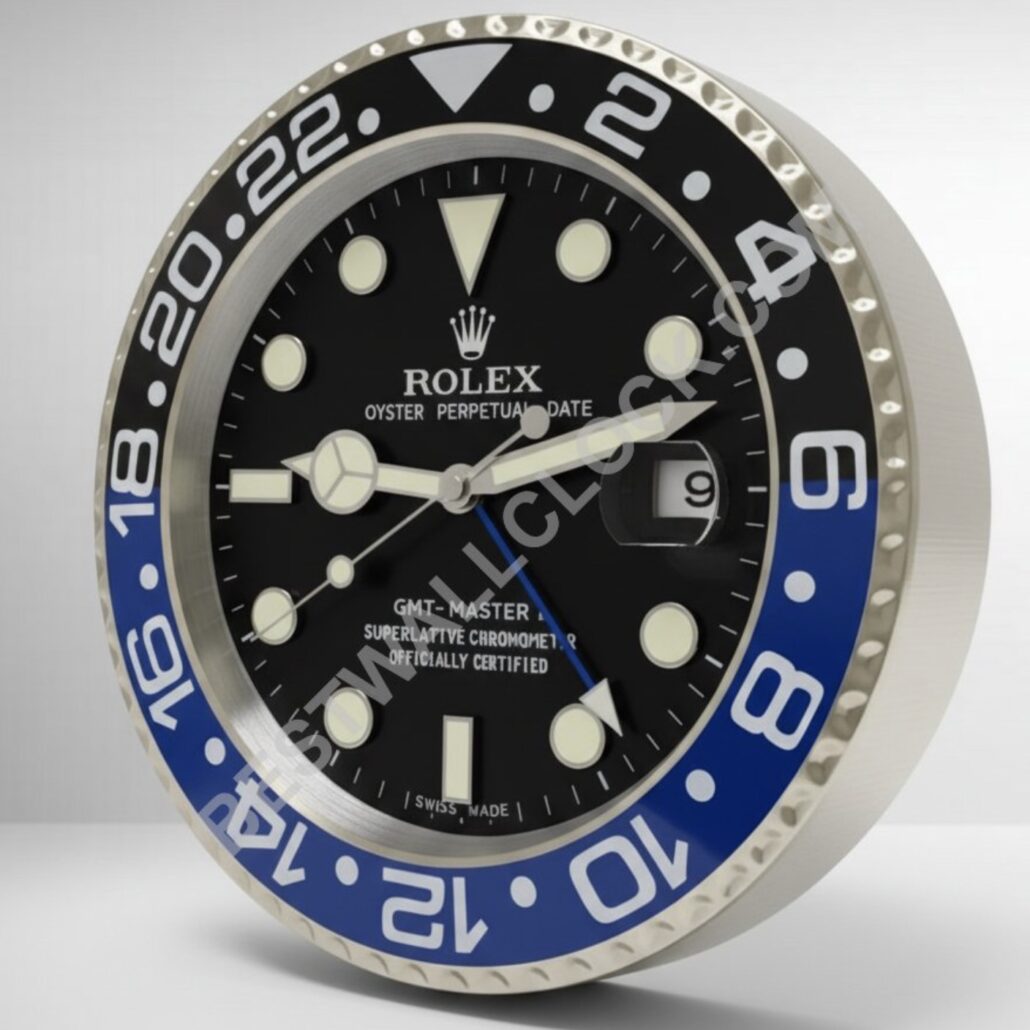
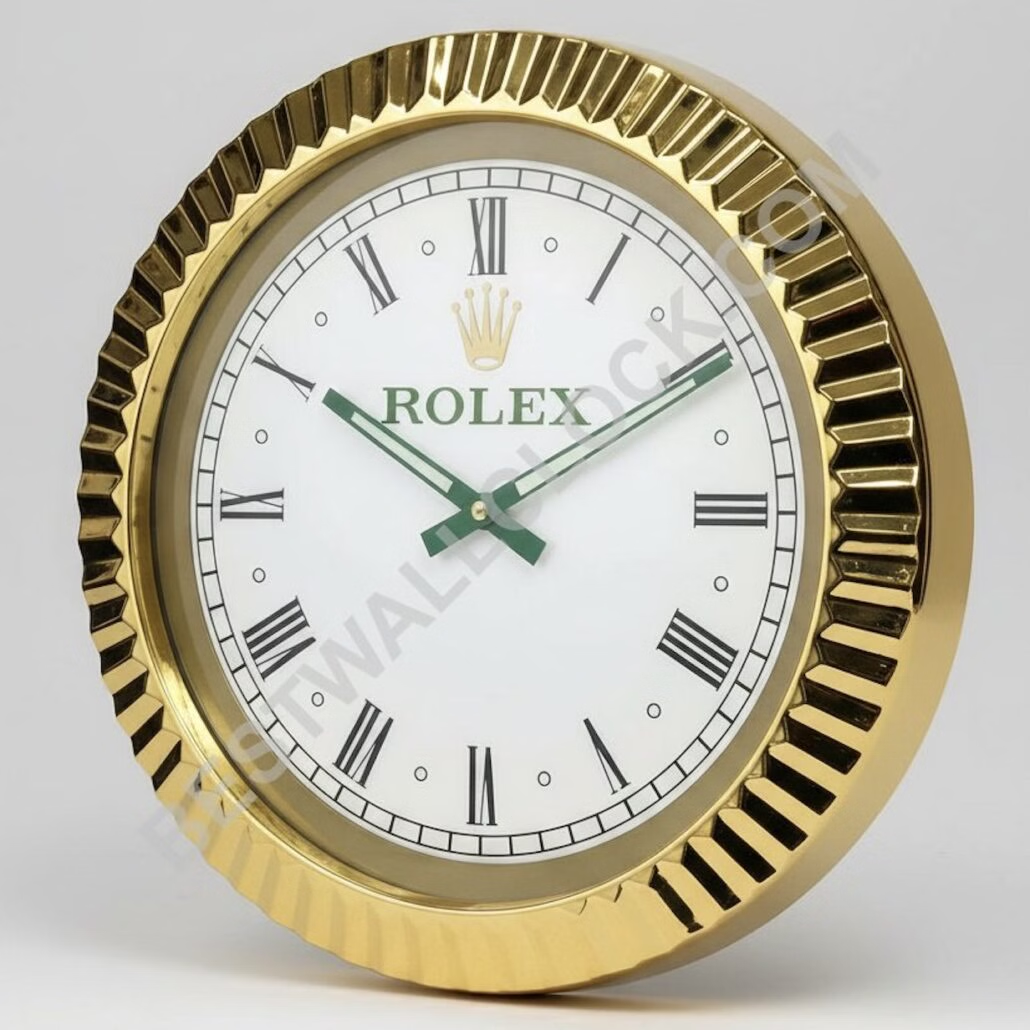
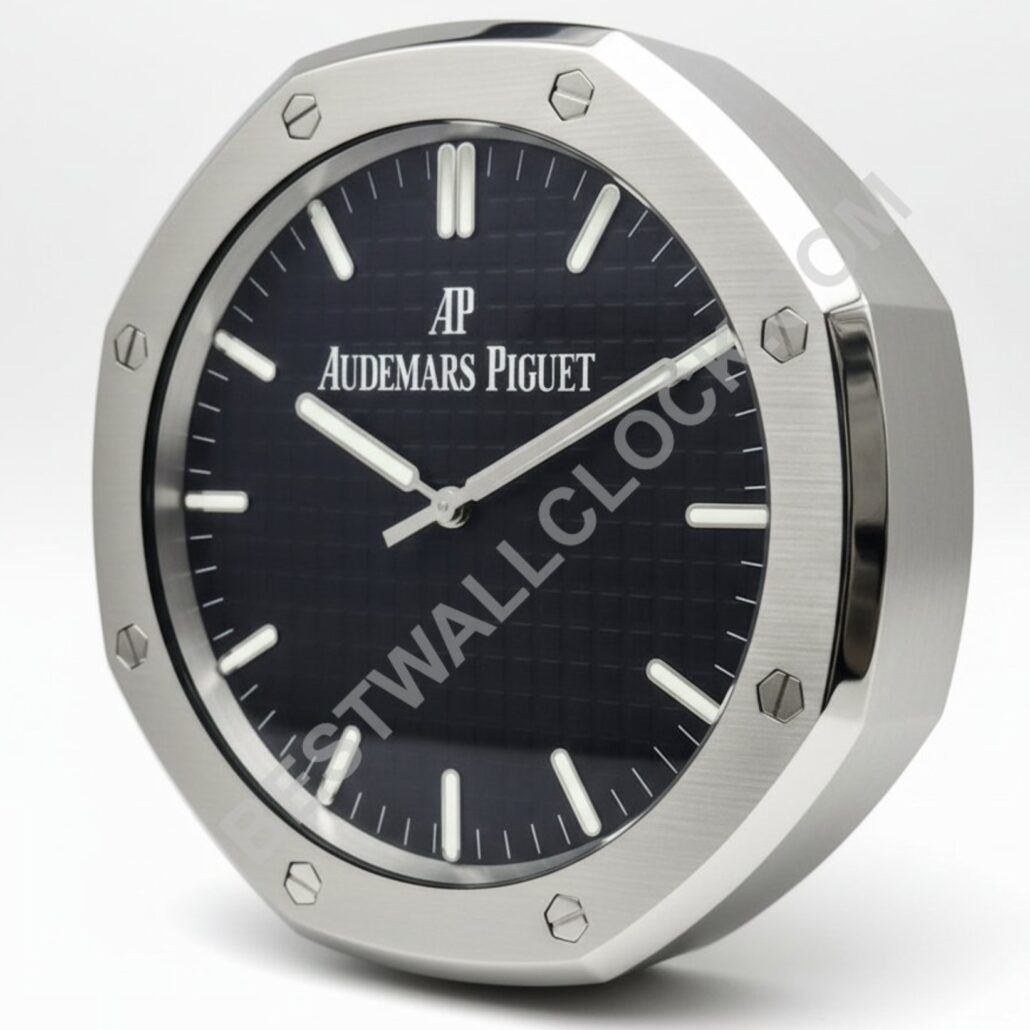
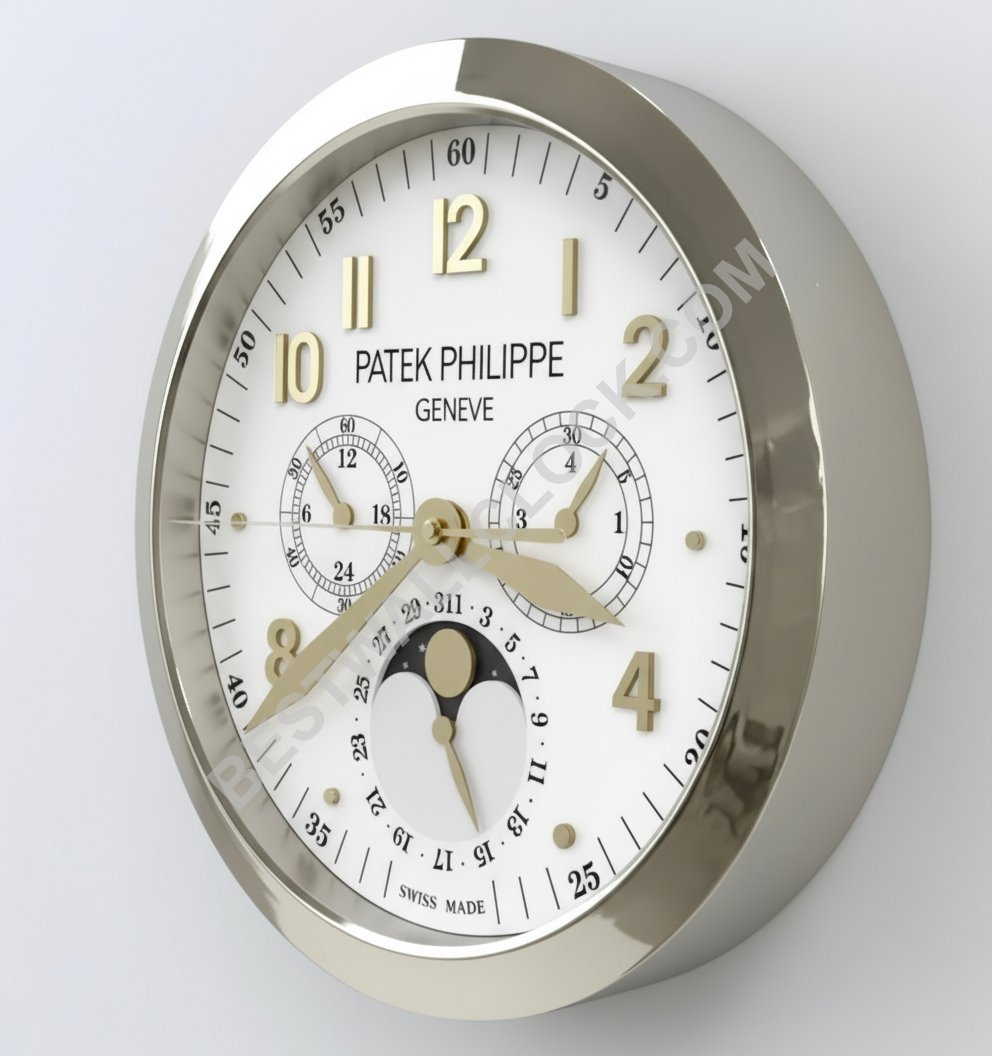
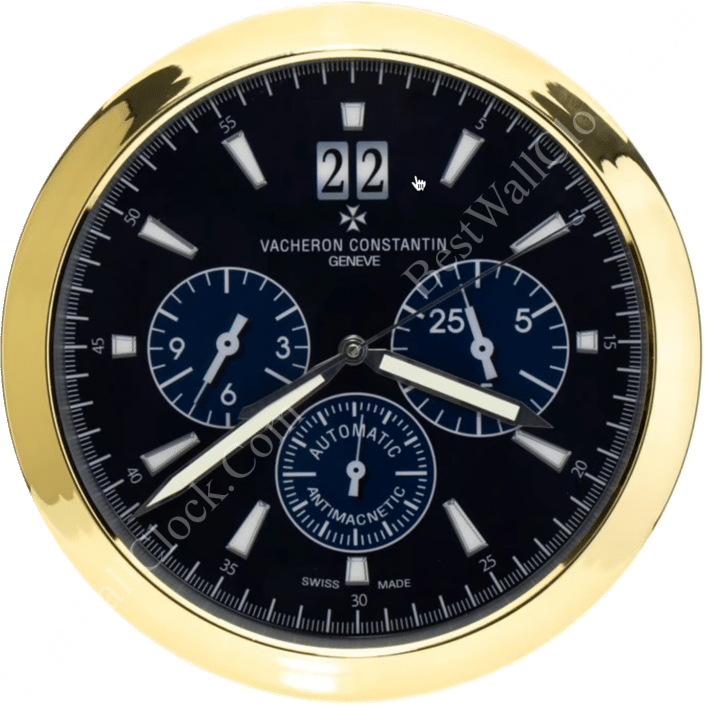
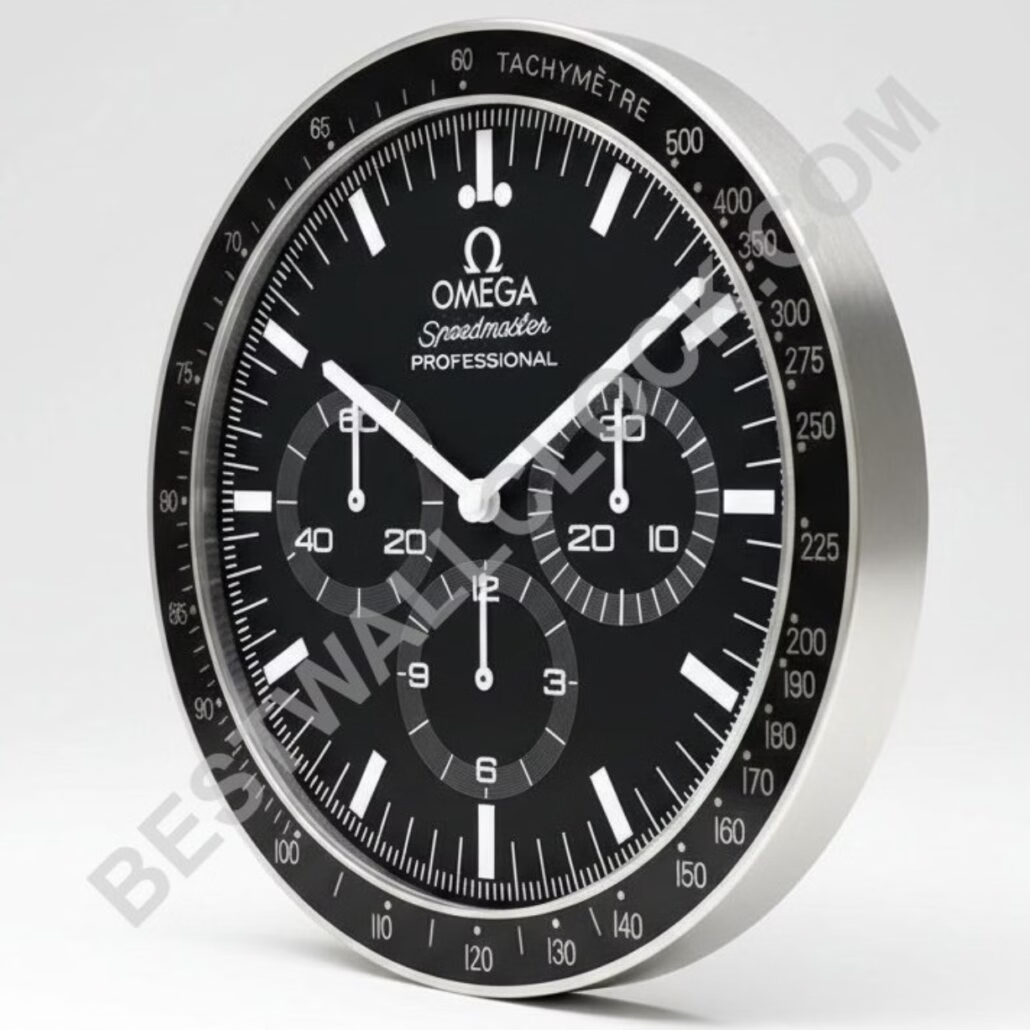
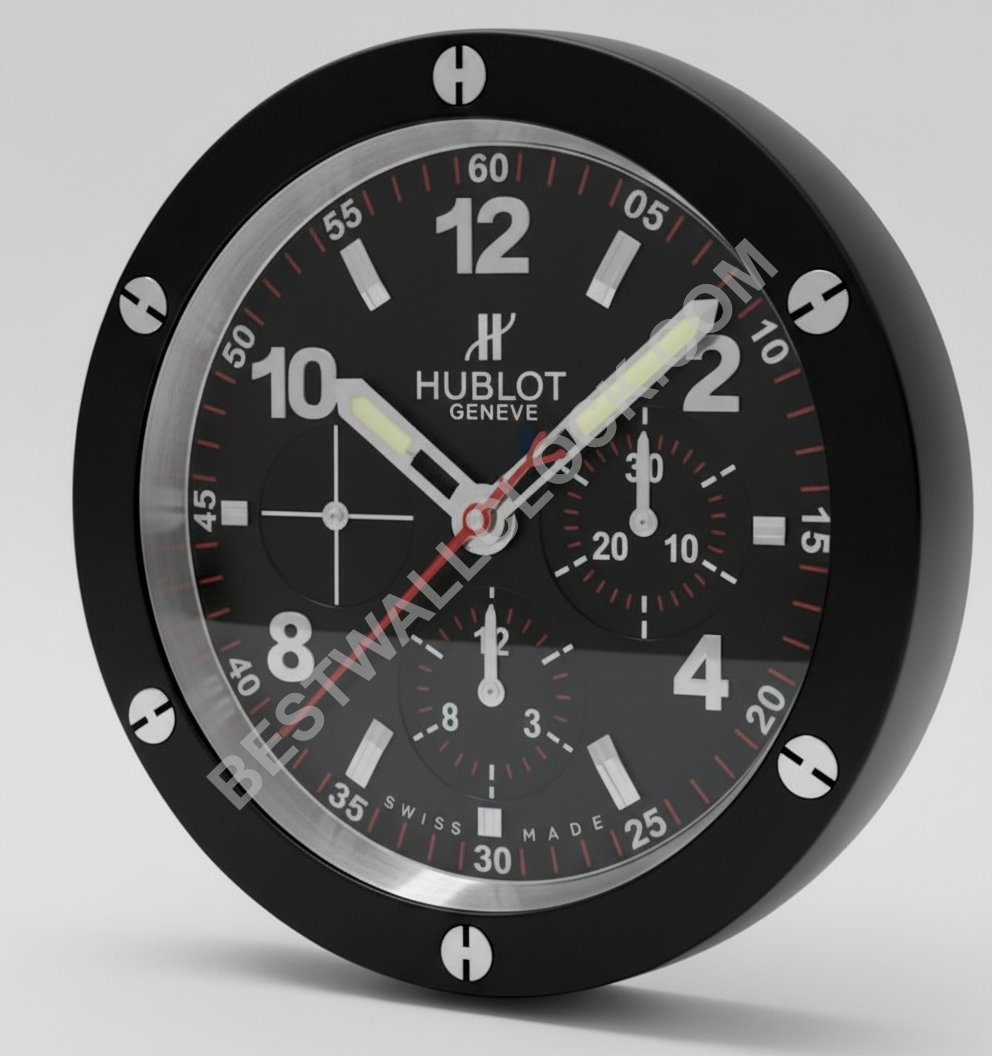
From the boardroom to the private garage, a BestWallClock Dealer Display serves as a functional anchor for the modern enthusiast. Engineered with 304L steel and silent sweep movements.