















The Architect’s Guide to Wall Clock Placement: 10 Expert Considerations for Your Home
Summary: The wall clock is far more than a mere timekeeping device; it is a fundamental element of interior architecture and daily functionality. Throughout the evolution and importance of wall clocks in human civilization, these timepieces have transitioned from public squares to the intimate spaces of our homes, serving as both functional tools and striking aesthetic focal points. However, selecting the perfect location for a timepiece requires a thoughtful balance of interior design principles and horological practicality. This comprehensive guide explores ten critical considerations—ranging from architectural sightlines and acoustic dynamics to lighting and decor integration—to help you achieve optimal placement.
I. Architectural Visibility and Sightlines
The primary function of any timepiece is to impart the time at a glance. Therefore, strategic visibility is the most crucial factor in wall clock placement. When deciding where to put a wall clock in a living room, for instance, interior design experts recommend identifying the room’s primary sightlines. The clock should be positioned so that it is easily visible from main seating areas and entryways without requiring occupants to crane their necks. As a general rule, hanging a clock with its center at eye level—typically between 57 and 60 inches from the floor—creates a natural, gallery-like viewing experience that effortlessly integrates into your daily routine.
II. Ergonomic Accessibility
While visual prominence is essential, a clock is a mechanical instrument that necessitates periodic tactile interaction. Accessibility must be factored into your placement strategy. Whether you are adjusting the hands for daylight saving time, winding a traditional mechanical mainspring, or simply replacing the battery in a precise quartz movement, the timepiece should be safely reachable. Hanging a heavy or delicate clock high above a fragile antique console or a deep fireplace mantel might look dramatic, but it can complicate routine maintenance. Ensure the chosen location allows for safe, stable access using a standard household step stool.
III. Acoustic Footprint and Background Noise
Every analog timepiece possesses a unique acoustic profile, a factor frequently overlooked in interior styling. Traditional mechanical escapements and stepping quartz motors produce a distinct, rhythmic ticking sound. In a bustling environment like a kitchen or a lively family room, this subtle ticking is often absorbed by ambient background noise, adding a comforting, nostalgic rhythm to the space. However, in environments dedicated to deep concentration or rest—such as a home office, library, or bedroom—that same acoustic repetition can become highly distracting. For these serene spaces, consider selecting a clock equipped with a continuous-sweep, silent movement to preserve the tranquility of the room.
IV. Ambient Lighting and Glare Reduction
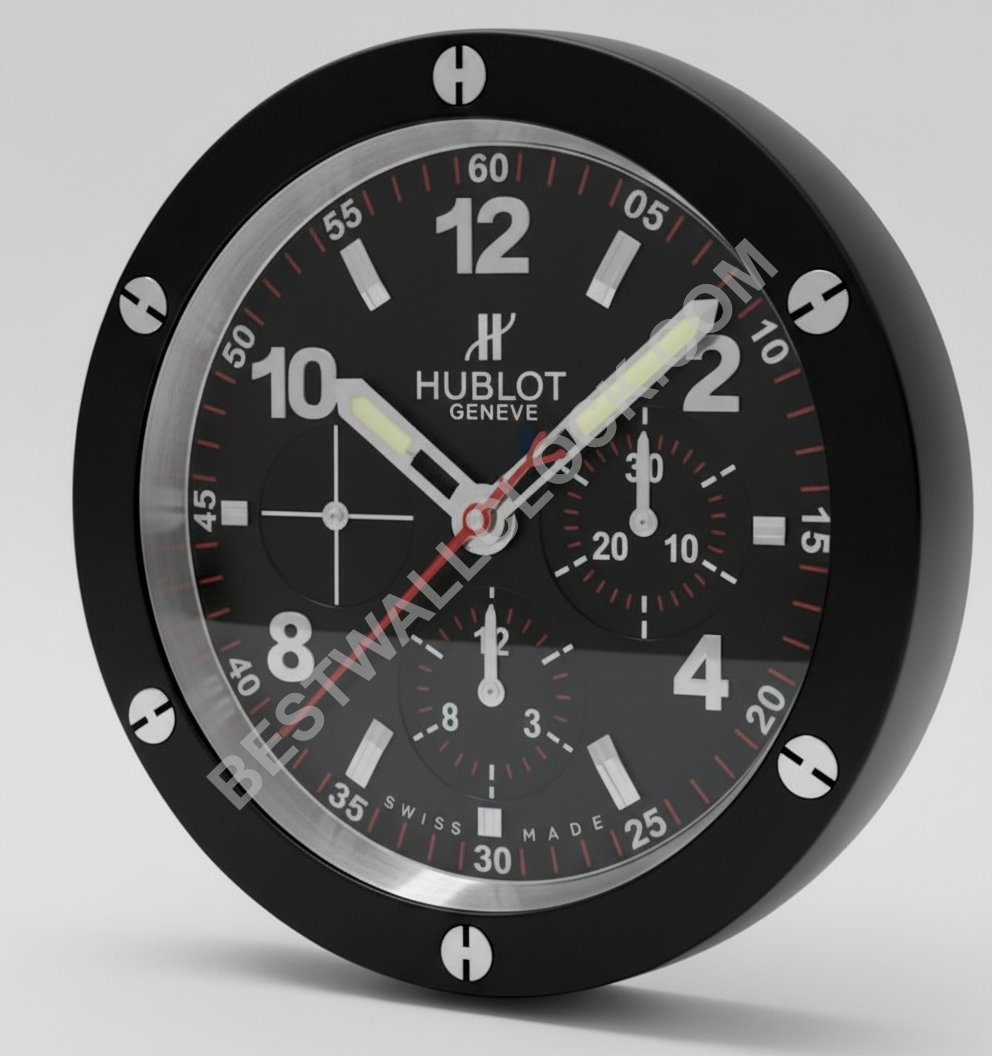
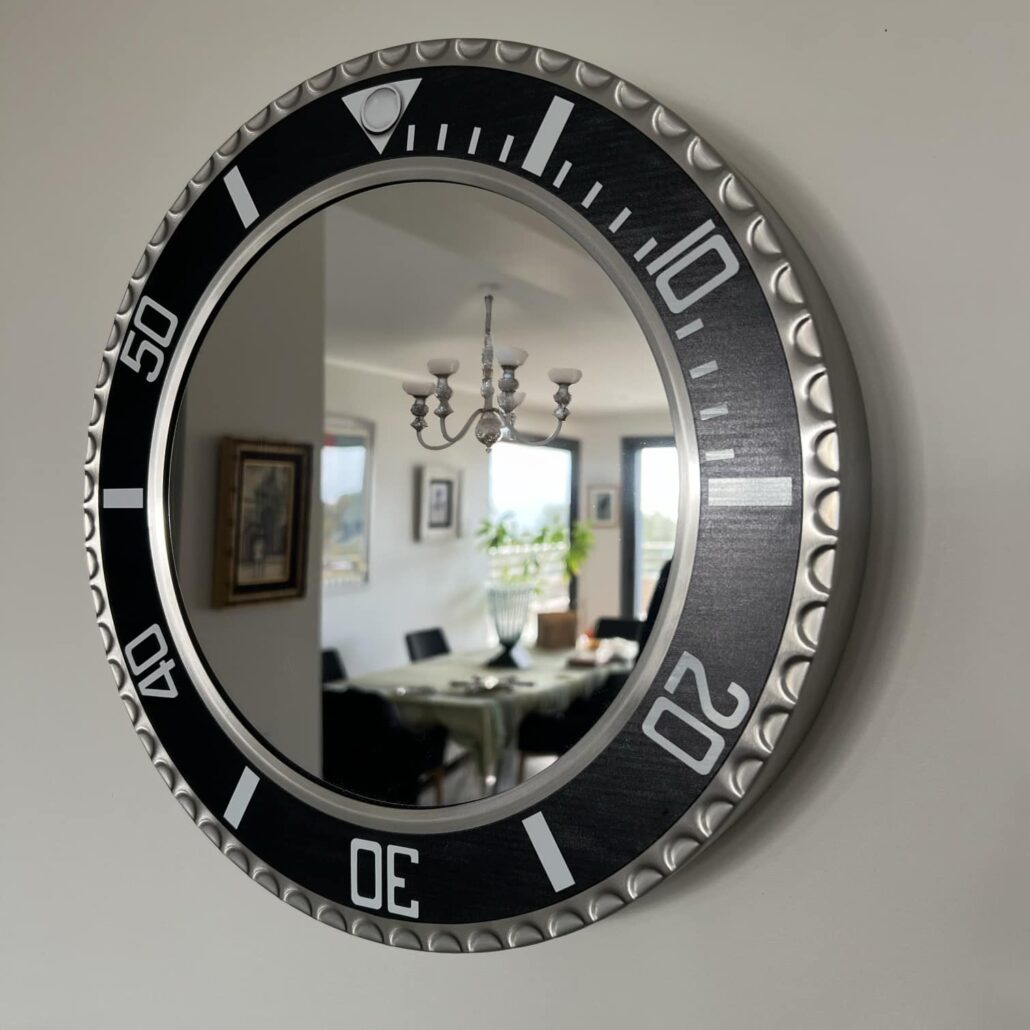
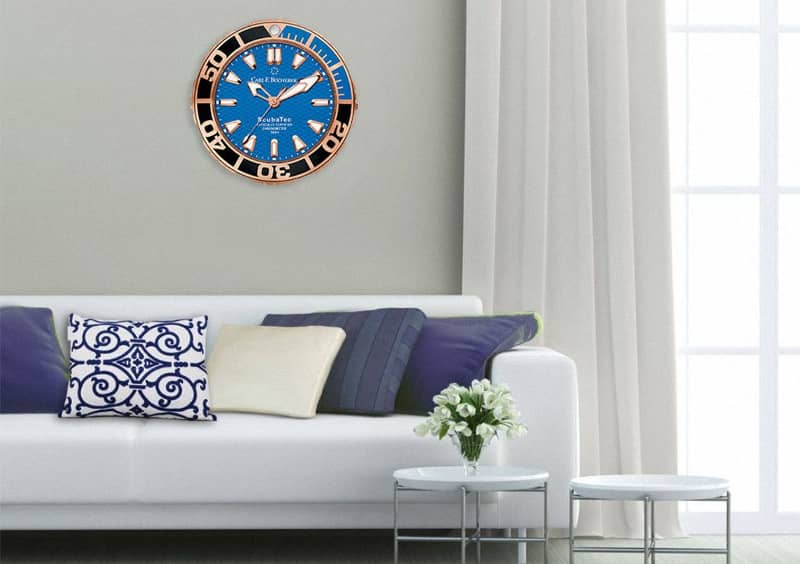
Proper illumination dictates the legibility of your clock’s dial. A masterfully crafted timepiece cannot fulfill its purpose if the hands are obscured by harsh glare or deep shadows. Most premium clocks feature convex (domed) mineral glass or flat acrylic crystals to protect the dial. When positioned directly opposite a large, unshaded window or a harsh, directional spotlight, the crystal will act as a mirror, creating severe reflections. To optimize readability, place your clock on an adjacent wall where it benefits from soft, indirect natural light. For dimly lit environments, exploring modern wall clock design options that feature high-contrast dials, luminescent indices, or subtle LED backlighting can ensure flawless time management at any hour.
V. Personal Routine and Workflow
Ultimately, the right location for a wall clock is deeply intertwined with your personal routine and the functional workflow of your household. Consider the tasks you complete throughout the day. Do you need a reliable time-check while rushing out the door during the morning commute? A prominent placement in the foyer or mudroom is ideal. Do you require strict time management while executing complex culinary recipes? A large, easily readable dial in the kitchen is essential. Observe your natural habits for a few days to identify where you instinctively look when you need the time, and let those subconscious cues guide your placement.
VI. Purpose-Driven Functionality and Complications
In modern horology, many timepieces offer advanced “complications”—features beyond the simple display of hours and minutes. If you own a specialized instrument featuring a barometer, a hygrometer, or a lunar phase dial, its placement should align with its specific utility. For example, if you reside near the coast and understand how does a tide clock work, you know that its specialized lunar movement is most useful when placed near a back door, mudroom, or coastal-facing window where you plan your maritime activities. Similarly, clocks with integrated thermometers should be positioned away from direct sunlight, drafty windows, or HVAC vents to ensure accurate environmental readings.
VII. Aesthetic Harmony and Decor Integration
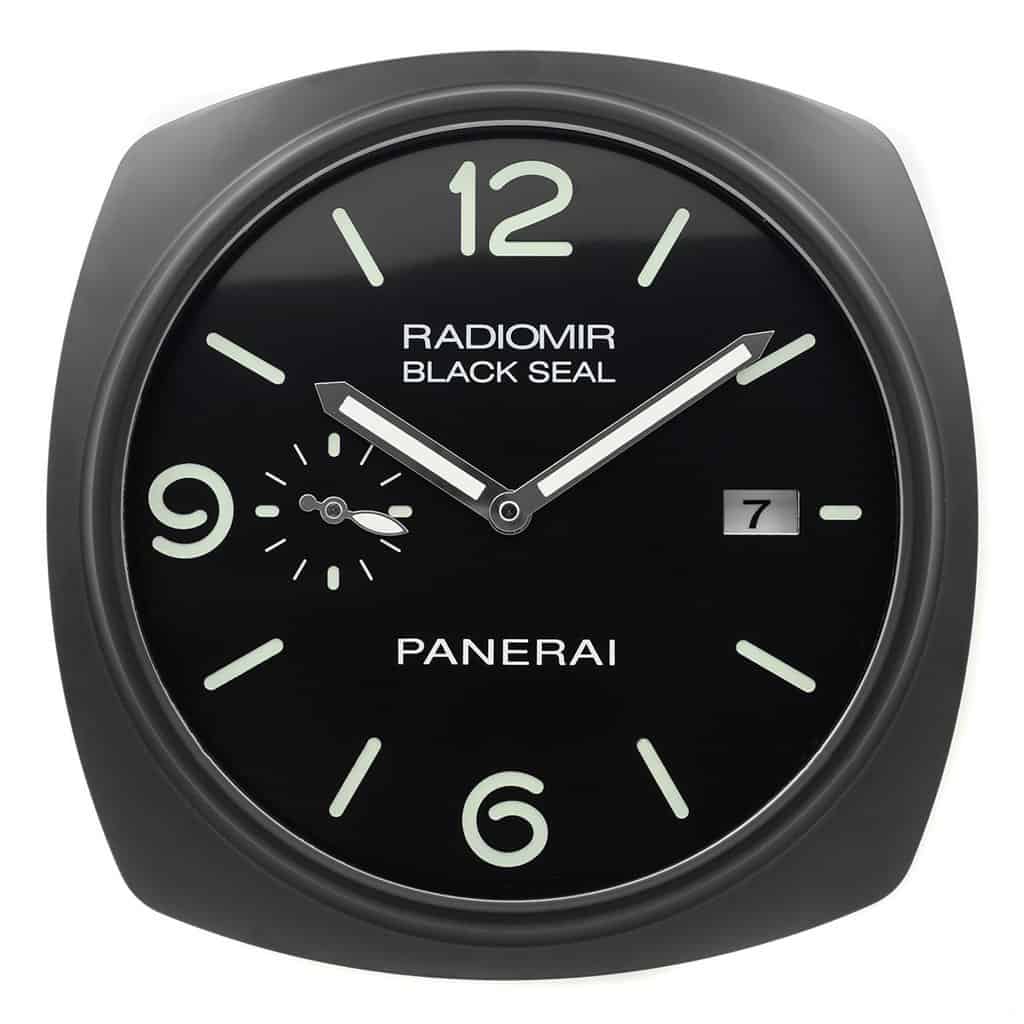
A beautifully crafted wall clock often serves as a primary decorative anchor, bridging the gap between functional hardware and fine art. When evaluating various wall clock decor ideas, scale, proportion, and material harmony are critical. A massive, 30-inch industrial gear clock will overpower a small, narrow hallway, just as a delicate, 10-inch minimalist dial will get lost on a soaring, double-height living room wall. Treat luxurious wall clocks as you would a prized painting: give them adequate “breathing room” on the wall, ensuring their finishes complement—rather than compete with—surrounding artwork, architectural molding, and furniture silhouettes.
VIII. Proximity to Digital Ecosystems
We live in an era saturated with digital screens. Microwaves, ovens, smart thermostats, and bedside tablets constantly broadcast the time in glowing numerals. When choosing a location for an analog wall clock, consider its proximity to these digital devices. To maintain visual elegance and reduce cognitive clutter, avoid hanging a classic analog clock directly next to a digital appliance display. Instead, create spatial separation. Designers often use traditional dials to establish “analog oases”—placing a beautiful clock in a formal dining room or a reading nook where smartphones and screens are discouraged, allowing the eye to interpret time spatially rather than numerically.
IX. Traffic Flow and Kinetic Interruptions
High-traffic areas require careful spatial planning to protect your horological investment. Narrow hallways, tight corners, and the wall space immediately behind inward-swinging doors pose significant physical risks to protruding decor. When considering which side a wall clock should face relative to an entryway, ensure it is completely clear of the door’s swing path and well out of the way of passing shoulders or carried objects (like backpacks or laundry baskets). Sudden kinetic shocks from being bumped or the micro-vibrations caused by slamming doors can misalign hands, damage delicate internal gears, or disrupt the precise isochronous swing of a pendulum. Always mount your timepiece in a safe, undisturbed zone.
X. Future-Proofing and Design Adaptability
An expertly curated interior is never entirely static; it evolves with your changing tastes, seasonal updates, and the latest wall clock trend ideas. When selecting a mounting location, consider the long-term adaptability of the space. If you frequently update your gallery walls or anticipate moving furniture, use specialized, weight-rated picture hanging hardware that minimizes drywall damage, rather than driving massive masonry anchors into the wall (unless the clock’s weight strictly requires it). This flexibility ensures that as your aesthetic matures, your timepiece can easily transition to a new location. Furthermore, if you find that standard retail options do not perfectly suit your evolving space, exploring tips for designing a custom wall clock to order from us can provide you with a bespoke piece tailored to your exact spatial and stylistic specifications.
Curate Your Atmosphere
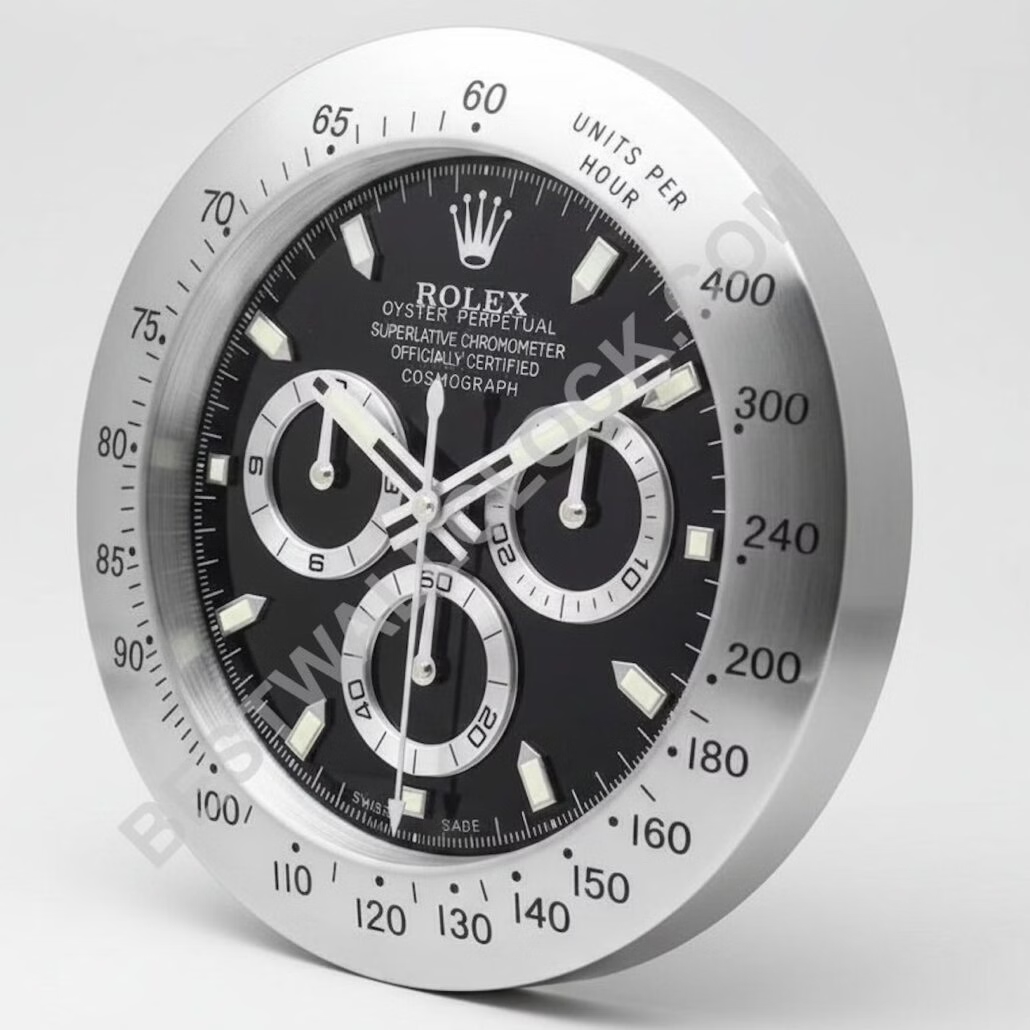
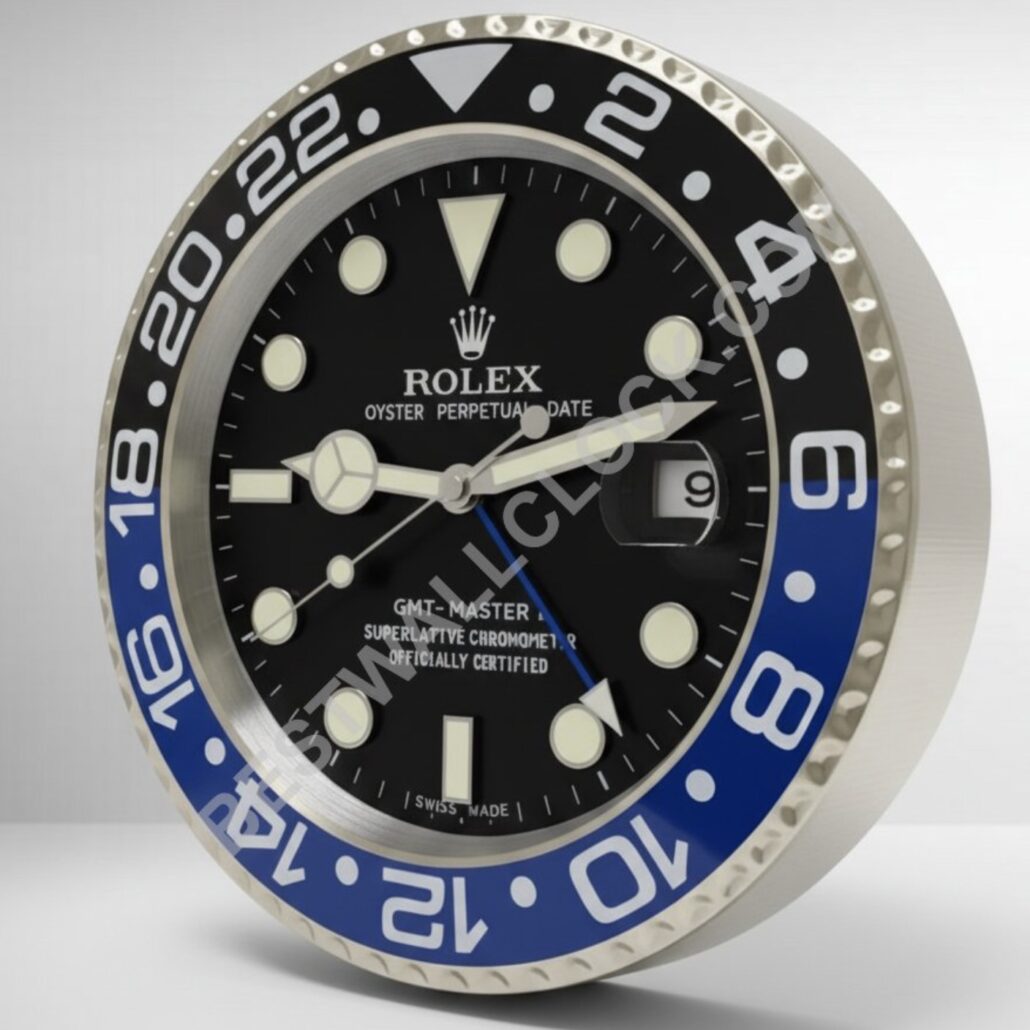
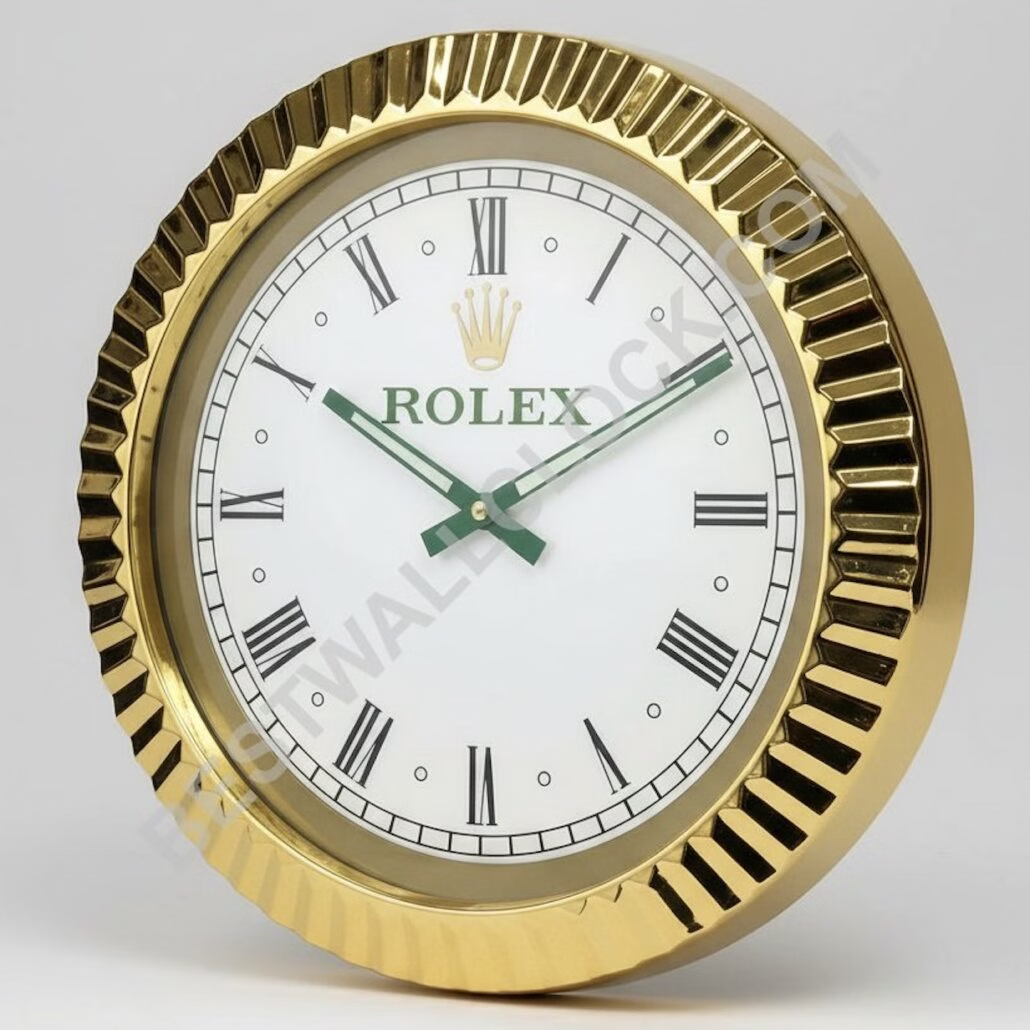
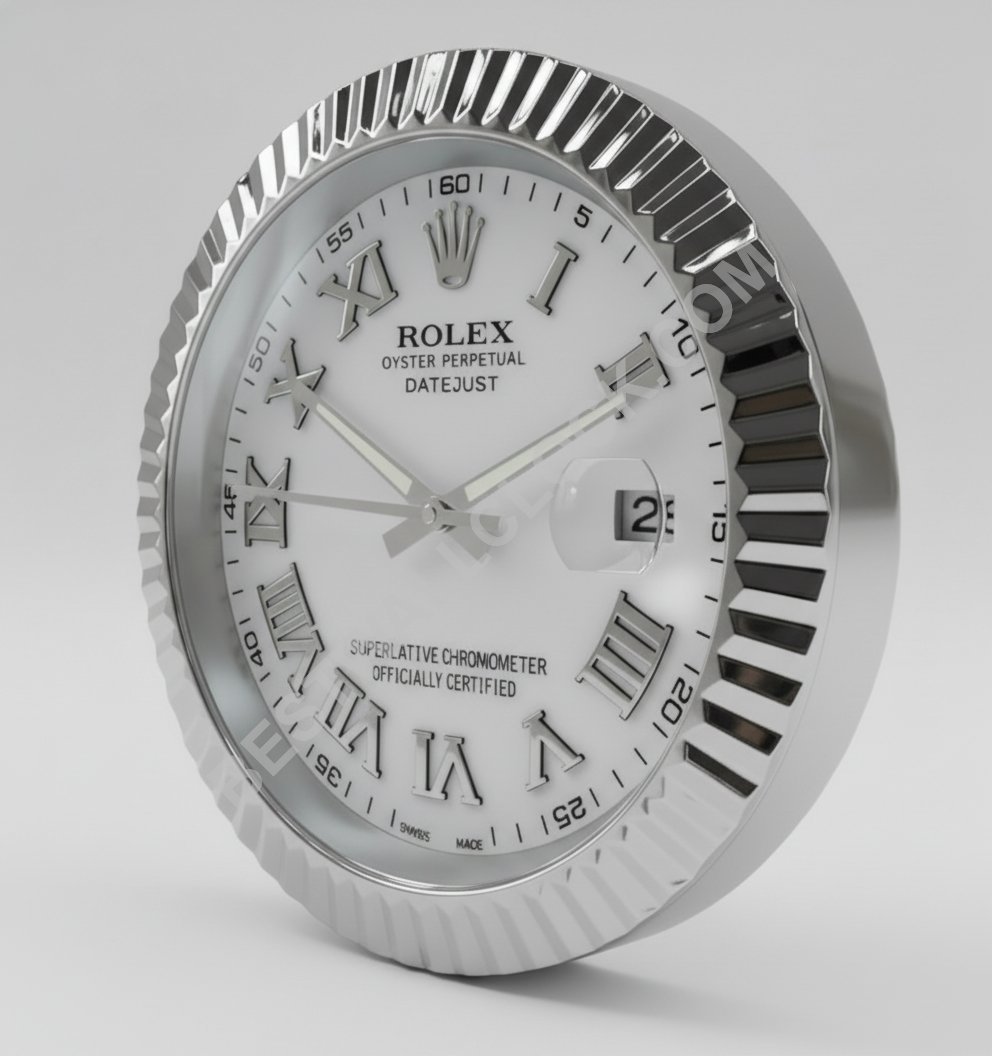
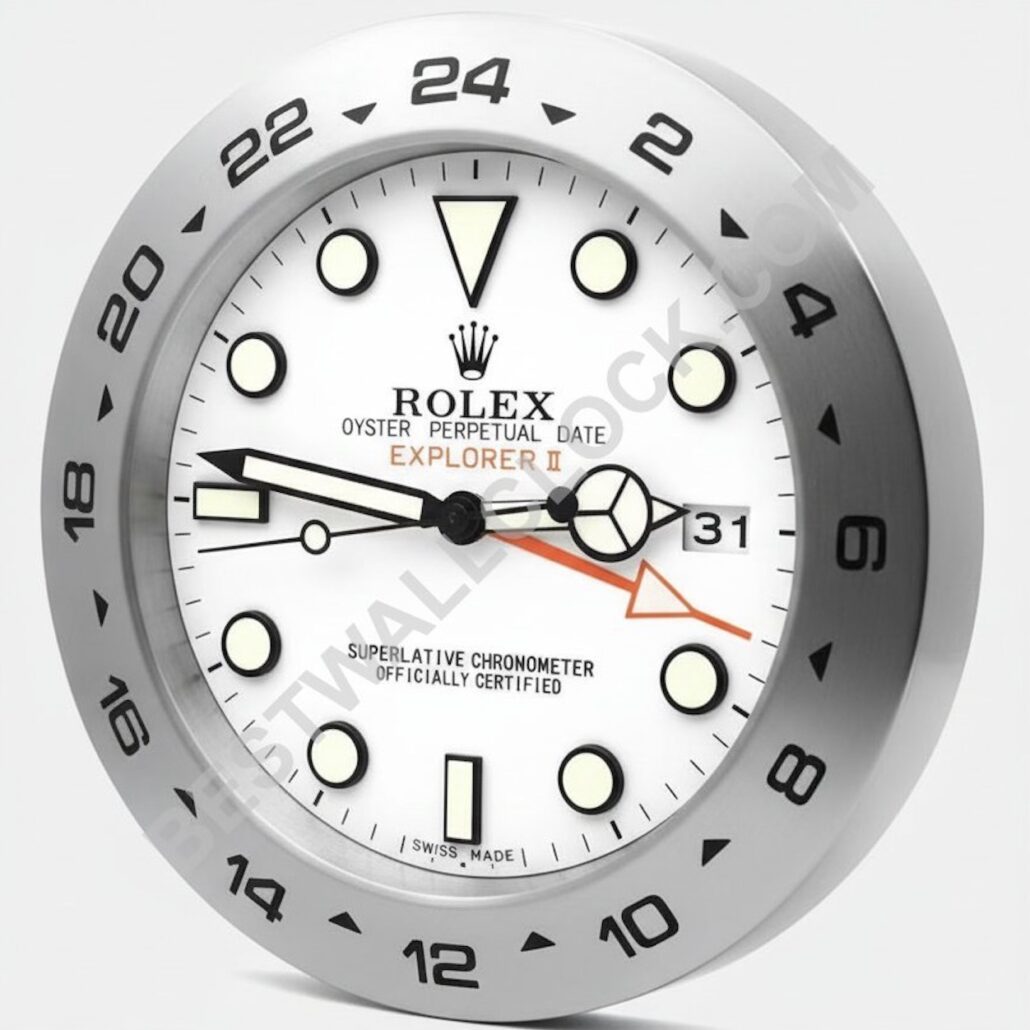
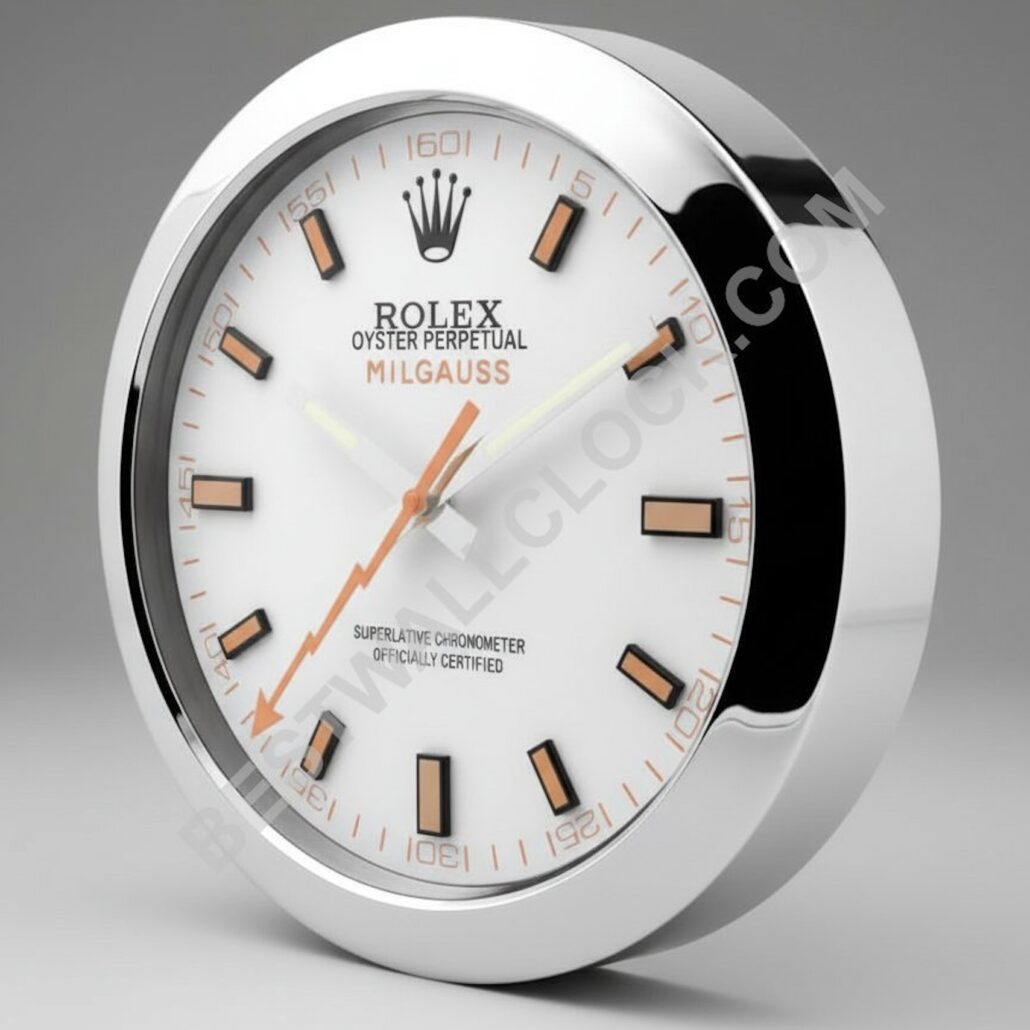
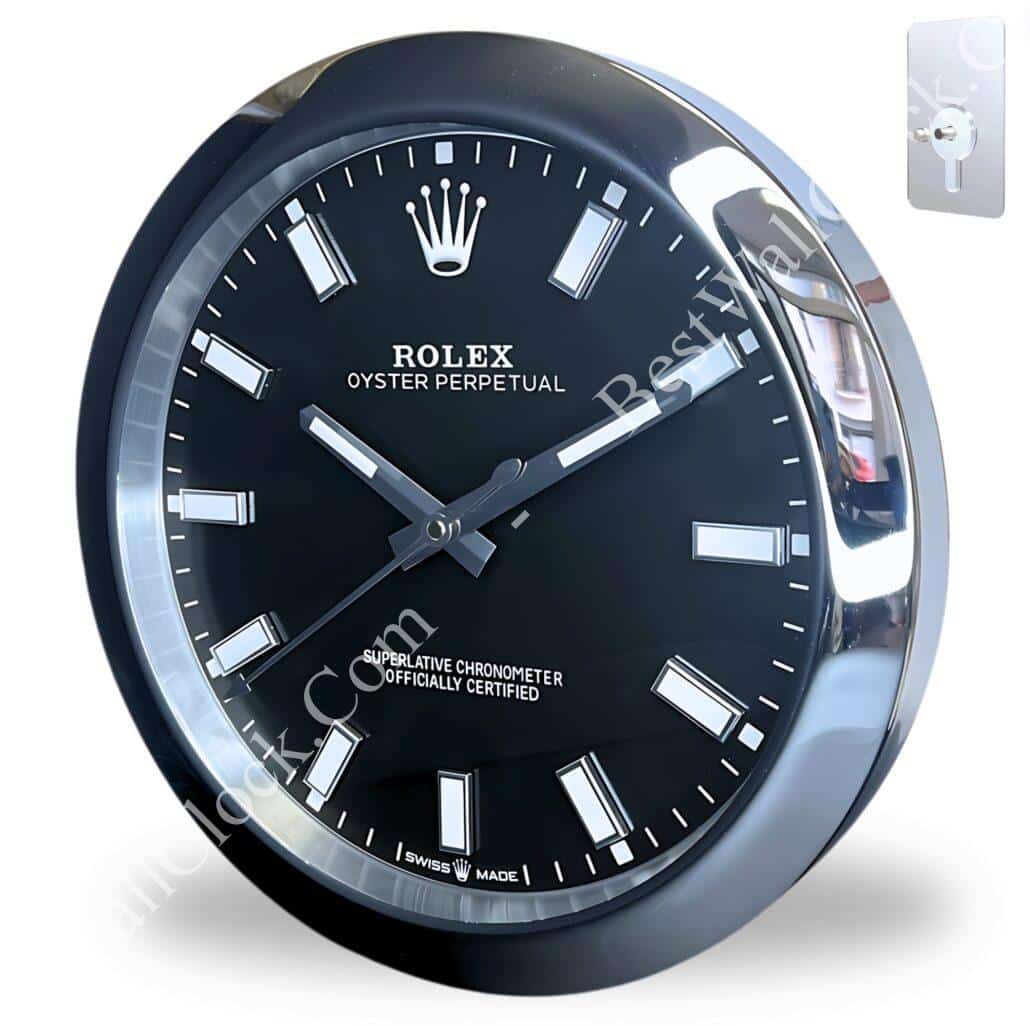
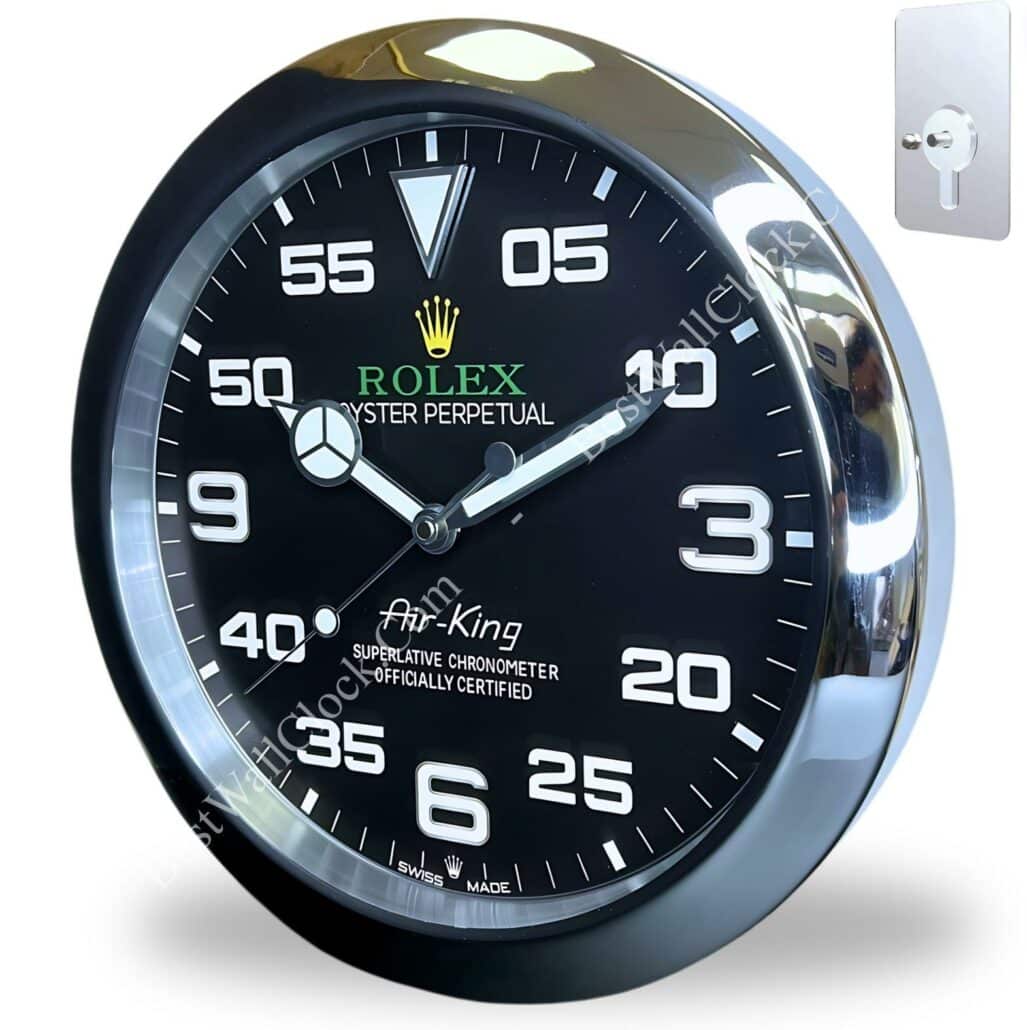
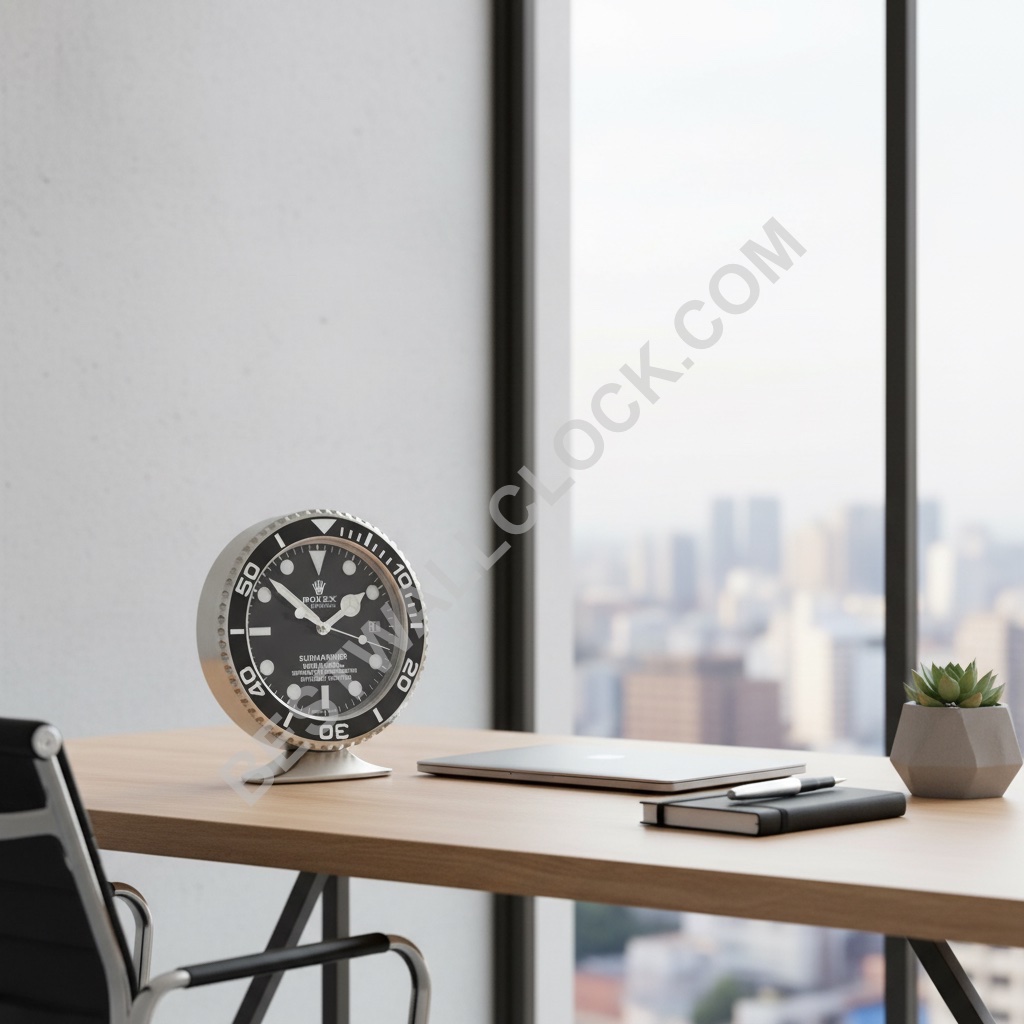
From the boardroom to the private garage, a BestWallClock Dealer Display serves as a functional anchor for the modern enthusiast. Engineered with 304L steel and silent sweep movements.